How to Select the Right High-Pressure Washer for Industrial Equipment

How to Select the Right High-Pressure Washer for Industrial Equipment

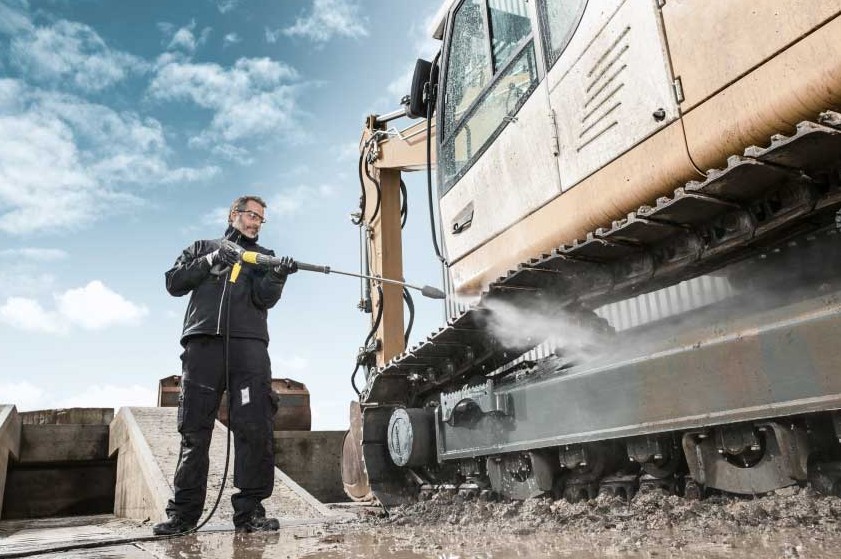
Maintaining industrial equipment and keeping machines clean is no small task. Dirt, grease, grime, and other build-ups look bad and can shorten your equipment’s lifespan. Investing in pressure washing trailers can be a game changer. But here’s the tricky part: not all high-pressure washers are created equal. Picking the wrong one can leave you frustrated, underperforming, and even dealing with more damage than you started with. So how do you make sure you’re investing in the right tool for the job? Let’s break it down.

Know Your Cleaning Needs

Before you even glance at specs or brands, take a moment to think about the equipment you’re maintaining. Are you dealing mostly with light dirt and dust, or heavy-duty grease, oil, and caked-on mud? The type of contaminants on your machinery will largely determine the pressure and flow rate you need. If you’re cleaning trailers and transport vehicles covered in hardened grime, for instance, you’ll need something more robust than a standard consumer-grade washer.

It’s also worth considering how frequently you’ll be using the washer. Are you running daily cleanings or just occasional maintenance? High-use scenarios demand equipment that can handle prolonged operation without overheating or breaking down. Honestly, nothing’s worse than buying a washer that seems fine on paper, only to have it fail during your first busy week.

Lastly, think about the surfaces you’ll be cleaning. Some industrial surfaces can withstand high-pressure streams without damage, but delicate components or painted surfaces might require adjustable pressure settings. Having a washer that can adapt to different situations will save you a lot of headaches in the long run.

Pay Attention to PSI and GPM

PSI, or pounds per square inch, measures the pressure your washer can produce. GPM, gallons per minute, tells you how much water flows through the system. Together, these numbers give you an idea of how powerful and effective your washer will be. Higher PSI is great for tough grime, while a higher GPM can help rinse off dirt faster. However, more isn’t always better. Too much pressure can damage sensitive machinery, while too little leaves you scrubbing by hand.

You’ll also notice that washers fall into electric and gas-powered categories. Gas washers often deliver higher PSI and GPM, making them ideal for heavy industrial jobs, but they’re louder, require more maintenance, and aren’t as eco-friendly. Electric models tend to be quieter and more convenient, perfect for indoor areas or light-duty tasks. You need to weigh what matters more for your operations.

And don’t forget about the hose and nozzle. A washer’s effectiveness isn’t just determined by its engine. You also need to consider how it delivers water. Nozzles that let you adjust spray patterns or pressure levels give you more control and reduce the risk of damaging sensitive equipment.

Consider Durability and Build Quality

Industrial equipment cleaning isn’t a one-off job; it’s a long-term commitment. That means your washer needs to be built tough. Look for models with stainless steel or brass components, industrial-grade pumps, and reinforced hoses. Cheap plastic parts might seem fine at first, but they’ll wear out fast under constant heavy use.

Mobility is another factor to keep in mind. If your cleaning operation covers a large warehouse or outdoor yard, you’ll want a washer that’s easy to move around. Some models have sturdy wheels and compact frames, while others are bulkier but might include features like hose reels or onboard storage for attachments.

Maintenance is also critical. Industrial washers that are designed with serviceability in mind will save you time and money. Check how easy it is to replace filters, clean the pump, or swap out nozzles. A washer that’s easy to maintain will last longer and perform more reliably, which is especially important if pressure washing trailers and other heavy machinery is a daily task.

The Bottom Line

Selecting the right high-pressure washer for industrial equipment might seem overwhelming at first. However if you break it down into these key factors, it becomes manageable. Evaluate what your operation really requires. Ask yourself what kind of grime you’re tackling, how often you’re cleaning, and which features will make your life easier. Pressure washing trailers and other heavy equipment isn’t just a chore; it’s a strategic part of running a reliable, efficient operation. Choose wisely, and you’ll see the difference every single day.

How Online Training Is Changing the Way Industrial Engineers Learn

How Online Training Is Changing the Way Industrial Engineers Learn

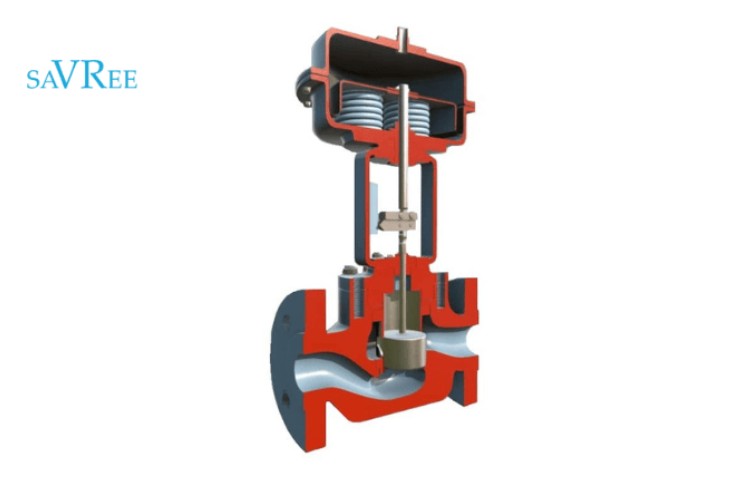
Image Source: saVRee.com

Industrial engineering has always focused on optimization: making systems, processes, and organizations more efficient, effective, reliable, and less costly. Industrial engineers have always had to master not just the foundation of engineering, but also complex tools, digital systems, and problem-solving methods that are needed to keep pace with industry.

Industrial engineering knowledge has traditionally been acquired through formal post-secondary educational institutions, textbooks, and workplace training. That said, there has always been some type of digital/technology-assisted engineering education; however, in today’s world, digital/technology-assisted engineering education has transformed the way engineers learn. With the increasing use of online industrial engineering courses, students and professionals now have access to a flexible and interactive form of training and can learn about areas that focus closely on their industry sector, and assist them in solving complex problems that they may face after their training.

In this post, we will look at the way online training is changing industrial engineering learning, identify advantages over traditional approaches, and ultimately reflect on how online learning programs, such as saVRee, can help the industrial engineering profession move forward.

The Traditional Approach to Industrial Engineering Education

For decades, industrial engineers have been trained primarily through academic programs. These include structured courses in operations research, manufacturing systems, logistics, quality management, and human factors.

Strengths of traditional training include:

  • Accreditation and Structure: University degrees provide formal recognition and a standardized curriculum.
  • Face-to-Face Interaction: Direct access to professors and peer discussions.
  • Hands-On Labs: Opportunities to experiment with physical systems and simulations.

Limitations of traditional training:

  • High Costs: Tuition fees, lab expenses, and textbooks are significant.
  • Limited Flexibility: Students must adhere to fixed schedules and physical locations.
  • Curriculum Gaps: Academic programs often lag industry trends, leaving graduates under prepared for the demands of the workplace.
  • Access Barriers: Not all learners worldwide can afford or access quality industrial engineering programs.

While universities remain vital for foundational learning, they often struggle to keep pace with the rapid pace of industrial transformation.

The Shift Toward Online Industrial Engineering Learning

In the wake of the digital revolution, education has shifted across disciplines (including industrial engineering). Today, online education allows students to learn many of the fundamentals of industrial engineering (systems optimization, process engineering, lean manufacturing, industrial equipment design) without ever visiting a traditional classroom.

Advantages of Online Training for Industrial Engineers

  1. Flexibility and Access

The flexibility of online courses enables learners to study anywhere and anytime. This is especially beneficial for working service sector professionals looking to hone their skills without a career disruption. Additionally, students can pause, replay, revisit, and review complex areas of study at their own pace.

  1. Relevant Industry Content

Online courses are relevant to industry, as opposed to many of the traditional programs that remain unchanged for years, as they complete a full curriculum review. Online training is frequently refreshed with emerging industry practices, tools, and standards to ensure that learners are studying relevant content.

  1. Visual and Interactive Learning

Textbooks and static diagrams rarely capture the complexity of industrial systems. Platforms like saVRee offer students 3D models, animations, and interactive diagrams, allowing them to explore machinery, processes, and systems from a virtual perspective.

  1. Cost-Effective

Online training removes commuting, relocation, and infrastructure costs while delivering high-quality education at a fraction of the cost. It also helps democratize access to industrial engineering education anywhere in the world.

  1. Lifelong Learning and Upskilling

Engineering careers require continuous development. These online courses help with continuous professional development, allowing engineers to improve their learning abilities and adapt to new technologies, like automation, AI-driven optimization, and smart manufacturing.

Traditional vs. Online Training: A Comparison

Traditional Training

  • Delivery Method: In-person tutorials, handbooks, and hands-on work
  • Flexibility: Designed schedules, location-limited
  • Industry Relevance: Curriculum tends to be outdated when skills are transferred
  • Accessibility: Focused on enrolled students in recognized institutions
  • Cost: Increased tuition, building, and material costs
  • Retention: Passive learning by way of lectures

Online Training

  • Delivery Method: Online lessons, 3D models, and interactions, simulations
  • Flexibility: Anytime, anywhere, at own pace
  • Industry Relevance: Regularly Updated to real-world applications
  • Accessibility: Accessible to anyone with an internet connection at any location
  • Cost: Fair pricing, scalable, subscription-based access
  • Retention: Active learning by way of visuals and interactions

Both Training approaches are worthwhile; however, online training offers organizations a much more flexible and scalable option for today’s rapidly changing industry.

How 3D Visuals Enhance Industrial Engineering Education

Industrial engineers face complexities related to systems — assembly lines, supply chains, robotics, quality control devices, etc. They typically have to understand these systems from static images or animations. 

3D visuals support the learning revolutionize by:

  • Dissecting machinery into its constituent parts so they can be analyzed in detail.
  • Simulating processes and providing visuals to show how systems work in a variety of situations.
  • Providing virtual tours of industrial plants, logistics systems, and manufacturing processes.
  • Providing more relevant content by connecting theory to practice so the learner can see how theory (like formulae) is reflected in reality.

saVRee and similar platforms take advantage of these tools to engage learners and help the components make sense.

The Role of saVRee in Industrial Engineering Training

saVRee has emerged as an authority in the provision of online industrial engineering-based training that combines theory with active, visual learning.  

The highlights of saVRee training include:  

  • 3D Models and Animations: In an engaging way, learners can explore industrial equipment and processes. 
  • Wide Course Coverage: From mechanical systems to electrical and industrial processes, saVRee has a significant number of engineering topics covered. 
  • Enterprise Training Solutions: saVRee provides a solution for organizations to engage and enhance the skills of entire departments. 
  • Worldwide Access: Anyone with internet access can learn, regardless of geographical limitations. 

saVRee combines rigorous standards with an innovative delivery method to provide learners with the best possibility of learning the skills they need to be successful in both educational and professional contexts.

Why Online Training Is the Future for Industrial Engineers

The industrial engineering profession is rapidly changing due to digital transformation, smart factories, and sustainability. Online training safeguards engineers against that future by: 

  • Falling in line with technological change, allowing engineers to access updated, on-demand courses. 
  • Supporting hybrid learning, leveraging the best aspects of traditional learning away from online offerings. 
  • Supporting global learners with accessibility to institutions of high quality who may not otherwise have support for this learning. 
  • Encouraging continuous improvement, similar to the ideals of industrial engineering. 

In summary, online training is efficient, optimized, and flexible – and fits the definition of industrial engineering.

Final Thoughts

Industrial engineering is fundamentally concerned with improving systems and processes, and the learning process for industrial engineers is no different. Online training is changing the game through more flexibility, lower cost, and better relevance.

By taking online industrial engineering courses from saVRee, students and professionals alike can experience online education through online content, on-demand material, and industry-relevant information that provides insights and knowledge to deal with real-life challenges.

The future of learning in industrial engineering will not be based on textbooks alone. The future will entail a combination of ‘old school’ learning blended with the potential of ‘new school’ digital technology, and the core will be online training. For professional engineers and/or students wanting to remain relevant, online training is paramount.

The Future of Engineering Training in the Power Engineering Industry

The Future of Engineering Training in the Power Engineering Industry

The power engineering industry is essential in modern society because it supplies the energy required to drive economies, maintain communities, and develop technologies. The energy sector requires a task force with contemporary experience as the energy system evolves with the advent of smart grids, advanced power plants, and renewable sources. Even though they worked well in the past, traditional training approaches are insufficient to handle the complexity of today’s problems.

Training approaches must take into account stability objectives, digital advances, and quickly evolving technology in order to educate engineers for the future. Platforms like saVRee, known for their interactive and accessible online learning solutions, are leading this change. Their special courses, including power engineering courses, are reshaping how engineers learn and contribute to the future of energy.

Changing Scenario of Power Engineering

Power engineering has always been a dynamic discipline, but the speed of change has increased in recent years. Many factors are affecting the future of the field:

Integration of Renewable Energy

As fossil fuels are being replaced by solar, wind, and hydroelectric power, engineers are better able to comprehend energy storage, grid balance, and hybrid systems.

Smart Grid and Digitization

Smart grid technology demands automation, IOT integration, and knowledge of advanced monitoring systems. Engineers must be suited to work with data-powered, decentralized energy systems.

Environmental Rules

Strict environmental standards are pushing companies to adopt more durable and efficient energy production methods.

Global Energy Demand

Because of urbanization and population increase, there is a greater need than ever for clean, reliable power. Engineers should be ready to design and operate the systems in order to continuously address this need.

These modifications emphasize the value of cutting-edge teaching strategies that equip engineers to tackle the energy concerns of the future.

Why Traditional Training Is No Longer Enough

In the past, textbooks, lectures in class, and punctual lab sessions were frequently used in power engineering education. Although these methods offered theoretical understanding, they had drawbacks:

Absence of real-time visualization: The operation of turbines, generators, and transmission systems under various conditions cannot be adequately represented by stable diagrams.

Restricted access: Not all students have access to high-quality labs and equipment because they are costly.

Slow adaptation: Graduates of traditional schools are sometimes unprepared for new technologies since they frequently lag behind industry advancements.

Modern, adaptable, and more appealing methods of teaching engineering are therefore in more demand.

Digital Change in Power Engineering Training

The future of power engineering education is digital. Training is moving towards online platforms that take advantage of video, simulation, and interactive 3D models. This change is inspired by many benefits:

  1. Interactive Learning

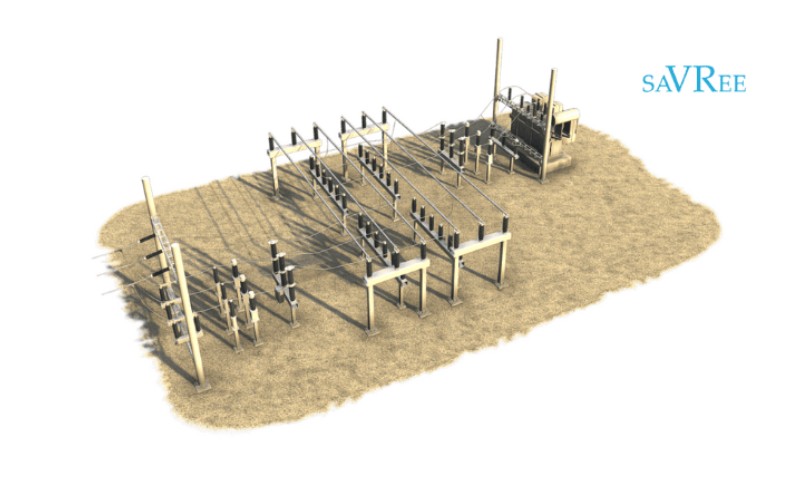
Nearly every component can rotate, break down, and detect other components thanks to interactive 3D model engineering. Complex systems like heat exchangers, generators, and gas turbines are simple to comprehend at this level of involvement.

  1. Flexibility and Availability

Geographical limitations are removed with online training. World-class resources are available to engineers and students everywhere, negating the need for physical labs or in-person instruction.

  1. Economical and Scalable

A single course can train hundreds of workers, saving money on equipment, travel, and instructor-led sessions.

  1. Real-World Application

Digital courses can simulate real-world scenarios such as system failures or load changes, allowing learners to get practical experience without risk.

  1. Constant Update

Online courses, as opposed to textbooks, can be updated often to incorporate the newest methods and business practices.

saVRee’s Role in Power Engineering Training

saVRee is a pioneer in technical and engineering e-learning. By combining high-quality videos, interactive 3D models, and specialist-led instructions, saVRee makes sure learners not only understand the theoretical knowledge but also understand its real-world application.

The power engineering course introduced by saVRee is designed to meet the specific requirements of today’s energy industry. It incorporates essential subjects such as:

    • Power plant system and operation
    • Renewable energy integration
    • Electrical machines and equipment
    • Industrial energy efficiency
    • Security and troubleshooting in the power system

saVRee can visually convert abstract engineering concepts into attractive lessons so that learners can interact with them. Whether you are preparing for a career in energy or a professional looking to upskill, saVRee’s courses provide solutions prepared for the future.

The Benefits of Online Power Engineering Courses

For learners and organizations, investing in modern training solutions provides many major benefits:

Skill enhancement: Get practical knowledge of systems and processes that are directly applied to the workplace.

Global relevance: stay updated with international standards, renewable integration, and smart grid technology.

Career advancement: Possessing credentials from reliable websites, like saVRee, can improve job opportunities.

Organizational development: Companies can ensure that their staff members are informed, obedient, and equipped to handle new tasks.

The Future Outlook: AR, VR, and Beyond

The future of engineering training in the power industry is beyond online courses and videos. Digital advancements such as Virtual Reality and Augmented Reality will enhance learning for sure. Imagine engineers managing a control system, navigating a simulated power plant, or diagnosing equipment in a secure, realistic setting.

Artificial Intelligence (AI) will adopt content, more personalized and adapt materials to the areas of speed and difficulty of each learner. saVRee’s constant attention to innovation ensures that learners will always have access to the latest progress in training technology.

Conclusion

The future of the power industry lies in engineering education, which is digital, interactive, and widely available. Engineers need to be updated with the latest developments as the industry changes with stability, smart grids, and renewable energy. Traditional training techniques are no longer enough.

Engineer learning is undergoing a revolution thanks to platforms like saVRee, which provide flexible, reasonably priced, and highly interactive solutions. Students may equip themselves for the opportunities and difficulties of the energy environment of the future with tools like power engineering courses.

Modern society will always revolve around power engineering, and engineers who receive the proper training will be equipped to spearhead innovation and build a sustainable energy future.

The Power of Precision: Why Precision Parts Manufacturing Is Essential in Today’s Industries

The Power of Precision: Why Precision Parts Manufacturing Is Essential in Today’s Industries

The Power of Precision: Why Precision Parts Manufacturing Is Essential in Today’s Industries

In today’s fast-paced, technology-driven world, even the smallest mechanical components must meet exacting standards. Whether it’s aerospace, automotive, medical devices, or electronics, precision parts manufacturing has become the backbone of modern industry. This highly specialized process ensures that every component, no matter how small, performs with flawless accuracy and consistent reliability.

What Is Precision Parts Manufacturing?

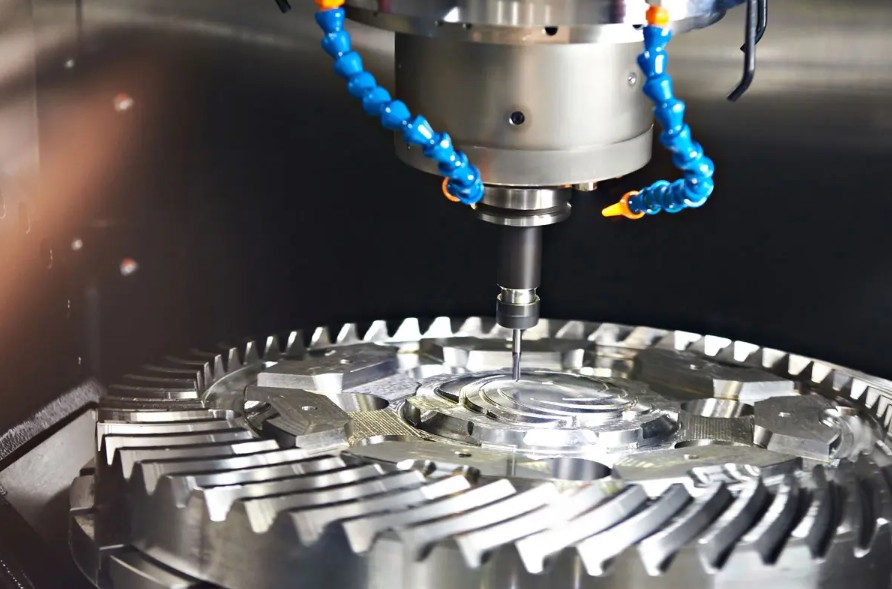
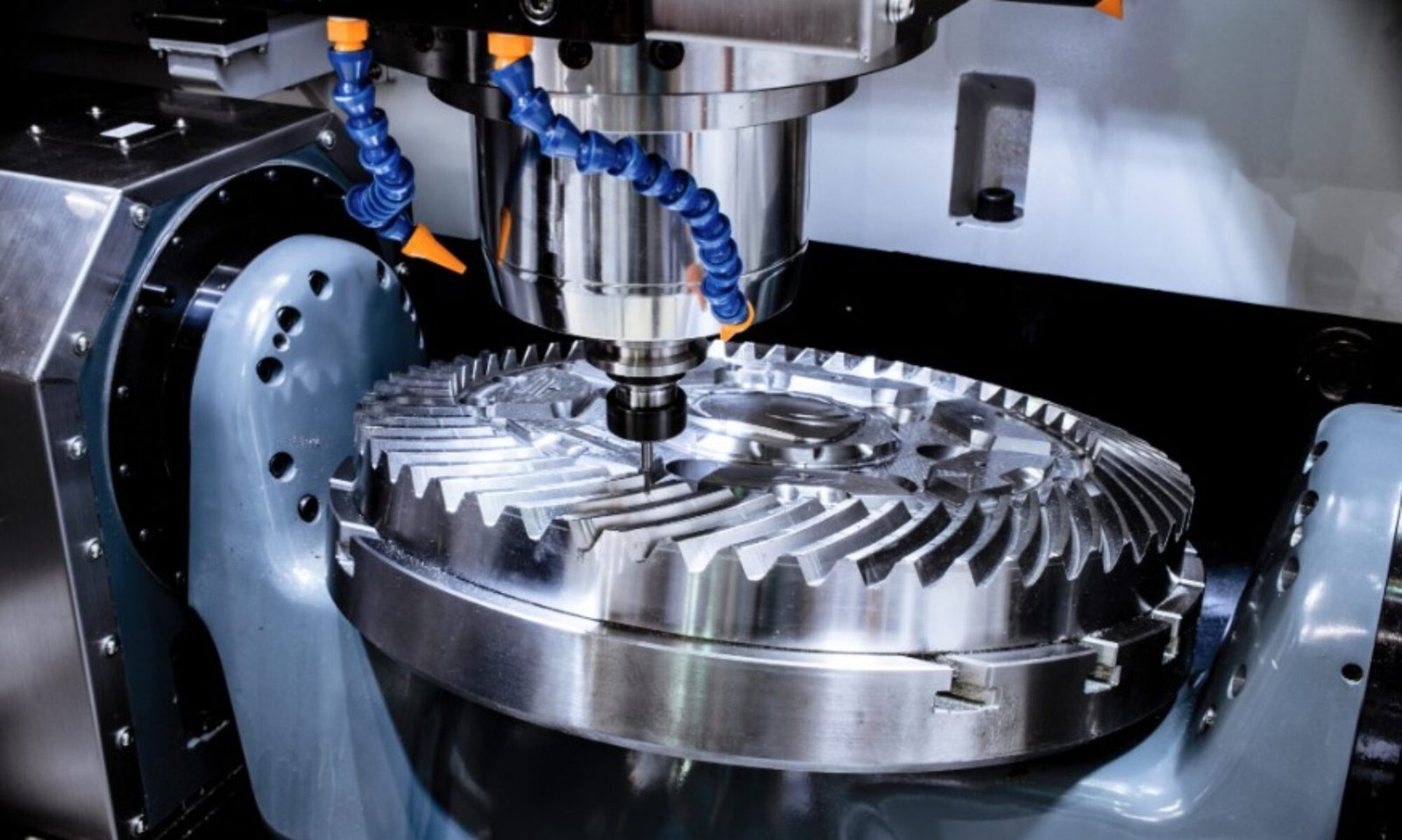
Precision parts manufacturing involves the production of components with extremely tight tolerances—often within microns. These parts are fabricated using high-tech machinery like CNC (Computer Numerical Control) machines, electrical discharge machines (EDM), laser cutters, and advanced inspection tools. The goal is to produce parts that perfectly match design specifications, often for high-performance or safety-critical applications.

Industries That Rely on Precision Manufacturing

  1. Aerospace and Defense: The aerospace industry demands perfection. From jet engine parts to satellite components, precision ensures safety, performance, and compliance with strict regulations.
  2. Medical and Healthcare: Surgical instruments, implants, and diagnostic devices must be manufactured with microscopic precision to ensure safety and effectiveness.
  3. Automotive: From engine components to transmission gears, precision parts help vehicles run smoothly and safely.
  4. Electronics: Microchips, connectors, and other tiny parts in your phone or computer rely on precision machining to function reliably.

Benefits of Precision Parts Manufacturing

  • Exceptional Accuracy: Advanced equipment and skilled engineers ensure that parts are produced to exact specifications, reducing variability and error.
  • Consistent Quality: Automated processes ensure uniform quality in every batch, which is essential for high-volume production.
  • Material Efficiency: Precision machining minimizes waste, leading to cost-effective production and more sustainable use of materials.
  • Speed and Scalability: Once programmed, CNC and automated systems can produce large quantities quickly while maintaining tight tolerances.

Technology Driving Precision Manufacturing

Modern precision manufacturing is driven by a combination of hardware and software innovations. CNC machines, 5-axis milling, additive manufacturing (3D printing), and AI-powered quality control systems have revolutionized the industry. These technologies allow for quicker prototyping, faster iteration, and even greater accuracy than ever before.

Why Choosing the Right Partner Matters

Not all manufacturers are created equal. Partnering with a reliable precision manufacturing company ensures:

  • Compliance with international standards (e.g., ISO 9001, AS9100)
  • Access to the latest machinery and inspection equipment
  • Experienced technicians and engineers who understand complex requirements
  • On-time delivery and consistent performance

Final Thoughts

Precision parts manufacturing plays a silent yet vital role in our daily lives. From the car you drive to the medical devices that save lives, these components make modern conveniences and technological advancements possible. As industries continue to demand higher performance and tighter tolerances, precision manufacturing will only grow in importance.

If your business relies on components that must perform without fail, investing in high-quality precision parts manufacturing isn’t a luxury—it’s a necessity.

How to Increase CNC Utilization in Small-Batch High-Mix Production

How to Increase CNC Utilization in Small-Batch High-Mix Production

How to Increase CNC Utilization in Small-Batch High-Mix Production

You’re not alone. You are not alone. In this challenging environment, many manufacturers struggle to maintain high CNC utilization. What if we told that there is a way to dramatically boost the efficiency of your machine, without sacrificing flexibility or quality?

In today’s fast paced manufacturing world it is essential to be able to adapt quickly to changing customer needs. This agility comes with a price, however. Machine utilization is often reduced. The good news is? This doesn’t need to be the case. With smart strategies and cutting-edge technology, you can transform CNC Robot operations from a stop-and go to a well oiled machine of productivity.

This blog post will explore seven key areas which can revolutionize small-batch and high-mix production. We’ll look at practical solutions for maximizing your CNC usage and taking your manufacturing efficiency to the highest level. Let’s start!

Understanding High-Mix, Small-Batch Production

A. Definition of small-batch manufacturing

The term small-batch manufacturing is used to describe the production of limited quantities. This can range from 5 to 500 pieces. This approach is characterized as:

  • Flexible production
  • Quick turnaround times
  • Customization capabilities
  • Reduced inventory costs

Here is a comparison between small-batch production and other methods of production:

Production Method

Batch Size

Flexibility

Setup Time

Cost per UnitSmall-batch

5-500High-quality

ModerateModerate

Mass production

1000+Low-cost

LongLow-cost

One-off1

Very High

Shortcuts

High-quality

B. High-mix production: challenges and solutions

High-mix production presents several unique challenges:

  1. Changeovers are frequent
  2. Complex scheduling
  3. Setup times are increased
  4. Risk of error is higher
  5. Inventory Management Complexities

If not addressed effectively, these challenges can have a significant impact on overall profitability and efficiency.

C. Impact of CNC usage

Combining small batch sizes with high-mix production has a significant impact on CNC usage:

  • Repetitive setups reduce machine uptime
  • Increased programming time on diverse parts
  • Increased tooling costs for different operations
  • Bottlenecks can occur in the workflow
  • It is difficult to optimize machine parameters

Manufacturers must streamline processes, improve programming efficiency and implement smart scheduling strategies to address these challenges. In the following sections, we will explore specific techniques for boosting CNC utilization in a demanding production environment.

Optimizing CNC Machine Setup

Quick-change tooling system

Quick-change systems can be a game changer in environments with high levels of variability and small batches. These innovative systems enable operators to quickly swap out tools, reducing setup time and increasing machine utilization.

Quick-change tooling system:

  • Setup times are reduced
  • Machine uptime can be increased.
  • Accuracy and repeatability are improved
  • Improved operator efficiency

Features

Traditional Tooling

Quick-Change Tooling

Setup Time

30-60 Minutes

5-10 Minutes

Tool Change Accuracy

Variable

Highly Repeatable

Operator Skill Requirement

High-quality

Moderate

Initial Cost

Lower Prices

HigherLong-term ROI

Lower Prices

Higher

Standardized Work

holding Solutions

Standardized workholding solutions are crucial to optimize CNC machine setups in high-mix manufacturing. These solutions offer a repeatable and consistent method of securing the workpieces in various jobs. They reduce setup times and improve overall efficiency.

Standardized workholding has many benefits:

  1. Setup times are reduced
  2. Improved part quality
  3. Flexible parts sizes
  4. Productivity increases for operators

Modular Fixture

Modular fixturing offers unparalleled flexibility for small-batch and high-mix environments. These systems are made up of interchangeable parts that can be assembled quickly to create custom fixtures.

The advantages of modular fixings:

  • Rapid fixture creation and Modification
  • Reduction in the need for dedicated fixtures
  • Increased consistency in setup
  • Small batch sizes are cost-effective.

Automated Tool Management

Automated tools management systems are crucial to optimizing the CNC machine setup. These systems automate tool tracking, organization and replacement to ensure that the correct tools are always in good condition and available.

Components of a successful automated tool management system

  1. Tracking tool inventory
  2. Automated tool dispenser
  3. Tool Life Monitoring
  4. Integration with CNC Machine Controls

Implementing these optimizations can reduce setup time, increase machine usage, and improve productivity in environments with high-mix, small-batch production. Next, we will examine strategies to improve CNC programming efficiency.

Enhancing Programming Efficiency

Leveraging the CAM Software capabilities

Modern CAM software has powerful features that boost the programming efficiency of small-batch and high-mix production. These capabilities can help manufacturers reduce their programming time, and increase the overall CNC utilization.

The following are the key features of CAM software to take advantage of:

  1. Automatic feature recognition
  2. Intelligent toolpath generation
  3. Simulation and verification tools
  4. Customization of the Post-processor

Features

Benefit

Automatic feature recognition

Reduction in manual programming time

Intelligent tool

path generation

Optimizes cutting strategies

Simulation and verification

Reduces the number of errors and rework

Customization of the Post-processor

G-code output is accurate

Standardizing programming templates

The creation of a library with standardized templates for programming can reduce the setup time dramatically. These templates are used as the foundation for creating new programs. This allows programmers to adapt existing code quickly for new parts.

Standardized templates have many benefits:

  • Consistent programming practices
  • Create programs faster
  • Rework and errors are reduced
  • Knowledge transfer is easier between team members

Using parametric programming techniques

The creation of parametric programming allows the creation and adaptation of CNC programs which are flexible and adaptable to accommodate changes in design or variations in parts. Manufacturers can modify code quickly by defining key parameters within the program.

Offline programming strategies

Offline programming allows the creation and optimization CNC programs, without taking up valuable machine time. This allows programmers to create new programs as machines continue to produce, maximising spindle uptime.

Benefits of offline programming

  1. Reduced machine downtime
  2. Program quality can be improved
  3. Collaboration between production and programming teams
  4. Flexible production schedules

Implementing these strategies for programming efficiency will allow manufacturers to significantly increase their CNC utilization in small-batch and high-mix production. We’ll then explore how streamlining your production planning can further optimise your manufacturing processes.

Streamlining Production Planning

Batch processing of similar parts

A good production plan is essential for increasing CNC usage in environments with high mix and small batches. Grouping parts that are similar for batch processing is a key strategy. This method allows for more efficient machine use and reduces the number of setup changes.

This table shows the advantages of grouping parts that are similar:

Benefit

Description

Setup time is reduced

Machine adjustments and tool changes are reduced.

Efficiency increases

Produce more parts in less timeReduced costs

Reduction in labor and machine downtime

Quality improvements

Process similar parts in a consistent manner

Implementing cellular manufacturing concepts

Cellular manufacturing is the arrangement of machines and workstations logically in order to optimize workflow for certain part families. This concept can improve CNC utilization significantly by:

  • Minimizing material movement
  • Reduce the work-in-progress inventories
  • Enhancing operator efficiency
  • Improve quality control

Optimizing job sequencing

The proper job sequence is crucial to maximize the CNC machine’s utilization. When planning your production sequence, consider these factors:

  1. Tool commonality between jobs
  2. Similarities in material
  3. Installation requirements
  4. Priorities and due dates
  5. Machine capabilities

Balance machine workload

It is important to balance the workload between machines in order to get maximum CNC utilization. It involves:

  • Assessment of machine capacities and capabilities
  • Spreading out the work evenly to avoid bottlenecks
  • Consider operator availability and skills
  • Monitor and adjust workload in real time

Implementing these strategies will help small-batch and high-mix manufacturers improve their CNC utilization rate, as well as the overall efficiency of production. We’ll then explore how to increase spindle uptime in order to enhance productivity.

Maximizing Spindle Uptime

Implementing the lights-out manufacturing

The use of lights-out manufacturing can be a game changer for small-batch productions with high mix. You can increase production without adding additional labor costs by running CNC machines during off-hours. Implementing this strategy effectively requires:

  1. Ensure robust error detection and recovery systems
  2. Remote monitoring is a great way to monitor your home or office.
  3. Create fail-safe tools and programs
  4. Establish clear emergency protocols

Utilizing pallet systems for continuous production

Pallet systems play a crucial role in maintaining production in environments with high levels of mix. Pallet systems allow for:

  • Setup of parts offline while the machine is running
  • Quick changeovers between different jobs
  • Machine utilization increases

Pallet System Benefits

Spindle Uptime and its Impact

Setup time is reduced

Increased by 15-30{65673da85b7f6804dbcb3a26acc20e67e738e9bc89f26731af3cf7780f01a505}Faster job changes

20{65673da85b7f6804dbcb3a26acc20e67e738e9bc89f26731af3cf7780f01a505}-40{65673da85b7f6804dbcb3a26acc20e67e738e9bc89f26731af3cf7780f01a505} Improvement

Parallel processing

Increased output of up to 50{65673da85b7f6804dbcb3a26acc20e67e738e9bc89f26731af3cf7780f01a505}

Robotic automation is used for partial loading and unloading

Integration of robotic systems into part handling can reduce non-productive times dramatically. Robots are able to:

  • Unload and load parts efficiently and consistently
  • Operate 24 hours a day without fatigue
  • Multi-tasking machine maintenance is possible.

Minimizing non-cutting time

Reduce non-cutting times to maximize spindle uptime by:

  1. Rapid movements and optimized tool paths
  2. Efficient chip evacuation systems
  3. Workholding and quick-change tooling solutions
  4. Simultaneous part loading and unloading, as well as tool change.

These strategies can help small-batch and high-mix manufacturers increase their CNC utilization rate, as well as overall productivity. It is important to create a smooth production flow, which keeps spindles as active as possible even during non-productive times.

Data and Analytics: Leveraging Data and Analytics

Installing machine monitoring systems

Machine monitoring systems can be crucial in environments with high production mix and small batches. These systems give manufacturers real-time information on machine performance. This allows them to quickly identify inefficiencies and bottlenecks.

Benefits of Machine Monitoring Systems

  1. Real-time machine status visibility
  2. Data collection and reporting automatically
  3. Accurate data allows for better decision-making
  4. Reduced downtime increases productivity

Features

Impact of CNC Utilization

OEE tracking

Finds areas of improvement

Analysis of downtime

Reduces unplanned stops

Cycle time monitoring

Optimizes production schedules

Integration of quality control

Reduces defects and rework

Analyzing production data for improvement opportunities

Manufacturers can gain valuable insights from the data collected by machine monitoring systems to optimize their CNC usage. Businesses can optimize production by analyzing patterns and trends.

Predictive Maintenance Strategies

Predictive maintenance strategies that are based on data collected can help prevent unexpected breakdowns. Manufacturers can reduce downtime by scheduling maintenance activities in advance. They do this using advanced algorithms and monitoring key performance indicators.

Using AI for optimized scheduling

Artificial Intelligence can revolutionize scheduling production in environments with high-mix and small-batch. AI algorithms can analyze historical information, current orders and machine capabilities in order to create optimal production schedules which maximize CNC utilization, while meeting customer demand.

Data and analytics can be used to improve CNC utilization rates. This will lead to an increase in productivity and profitability for small-batch and high-mix environments. Next, we will discuss the importance of empowering and training operators to improve CNC machine efficiency.

Train and Empower Operators

Cross-training to create a flexible workforce

It is essential to cross-train operators in order to maintain a flexible, efficient workforce when working with small batches and high mix production. You can improve CNC utilization by allowing operators to operate multiple machines and processes.

Cross-training has many benefits.

  • Flexibility Increased
  • Reduced downtime
  • Problem-solving skills are improved
  • Job satisfaction can be improved

Training MethodBenefitsChallenges

Job RotationReduced monotony through a diverse skill setInitial productivity dipMentorshipKnowledge transfer and personalized learningTime-intensiveNo production impact, safe learning environmentInitial costsProblem-solving skills development

It is important to equip operators with problem-solving abilities in order to minimize downtime and maximize CNC utilization. Encourage proactive problem-solving by:

  1. Implementing root cause analysis techniques
  2. How to foster a culture of continual improvement
  3. Regular training is required on common machine problems.
  4. Encourage collaboration and knowledge-sharing among team membersBy cultivating a culture for continuous improvement, your company can leverage the collective expertise of its workforce to drive improvements in CNC usage.

Multi-faceted approaches are required to maximize CNC usage in high-mix, small-batch production environments. Manufacturers can reduce downtime by optimizing the machine setup, improving programming efficiency and streamlining production plans. In order to achieve higher utilization rates, it is equally important to maximize spindle uptime and leverage data and analytics.

Manufacturers must adopt a culture that encourages continuous improvement to excel in the challenging production environment. These strategies, and the constant search for new ways to optimize process, can help small-batch and high-mix producers gain an edge on the market. Even small gains in efficiency can result in substantial increases in productivity and profitability.
How Steel Buildings Stand Up to Bad Weather

How Steel Buildings Stand Up to Bad Weather

How Steel Buildings Stand Up to Bad Weather

When a natural disaster occurs, whether a building stands or falls comes down to strength. Working with materials that will strengthen a building is always preferable. One of the top materials that can make this a reality is steel. Steel is a great option for constructing new buildings, and the various positive attributes that steel provides can add resilience to any new construction project.

How Steel Buildings Withstand Severe Weather Better Than Others

There are a variety of attributes that make steel an ideal building material, including:

  • Structural Integrity – Steel is known for being a solid material, especially compared to other popular options. For example, steel is far superior to wood because it doesn’t rot, warp, or weaken like wood. Steel can also bear heavier loads and for much longer.
  • Fire-Resistant – If the region you’re building in is prone to wildfires or any other type of natural disaster, steel’s resistance to fire damage makes it a great choice. Power lines can be knocked down during severe weather events and spark fires. Luckily, steel buildings are resistant to this threat and will perform better than buildings made of any other material.
  • Wind Resistant – Another quality of steel buildings is that they can resist wind very well. This feature is critical in areas prone to tornados and hurricanes.

While many building materials have attributes that help them stand up against severe weather, few have as many as steel.

Can Steel Buildings Withstand Earthquakes?

We know steel can stand up well to hurricanes and tornados, but what about earthquakes? These natural disasters can strike without warning, and it behooves any building designer to select materials that can withstand them.

Despite its strength, steel also retains a degree of flexibility that makes it an ideal choice for building in areas prone to earthquakes. Steel can bend and flex slightly against the tremors produced by earthquakes. This flexibility ensures that a building made of steel will still be standing when the earthquake passes.

Every earthquake is different in terms of severity and impact on individual buildings. While certain strengths of earthquakes make any building unstable, no matter how strong or flexible, steel has by far the best chance of weathering these types of natural disasters.

Steel Buildings Can be Constructed Quickly

No one likes to wait around for their building to be constructed. Happily, you don’t have to factor in a long lead time when it comes to steel. The use of standardized components and computerized fabrication makes steel construction much more streamlined in a new building. The uniform structure of many of these buildings means that many problems in traditional building construction are already solved before the contracts are signed. Manufacturers with a wide range of building solutions pass that advantage on to the customer and save time in construction.

Fast turnaround time also means that costs can remain contained as well. This is particularly important for staying on a budget. If you are looking to get a particular building constructed on a budget, then no question opting for a steel building is the right move.

Great Material for the Long-Run

Finally, steel is indeed the best option for the long run. It is great at resisting the destructive forces of wind, rain, and fire. Steel is incredibly durable and can be flexible when met with the danger of an earthquake. On top of all of that, steel is an easy to obtain material and can be used to put a building together in a hurry.

If you are considering what you will construct your next building with, make sure you reach out and contact us for more information about what steps you need to begin the construction of your very own steel building.