How to Identify the Type of Transformer

How to Identify the Type of Transformer

How to Identify the Type of Transformer

Transformers are an essential component of electrical systems. They serve various functions, such as adjusting voltage or isolating a circuit. It is important to know the type of transformer that you have in order to understand its use and ensure proper usage. This guide will help you identify the type of transformer.

Examine the Voltage Rating

Transformers are classified based on their voltage transformation capabilities: Transformers are classified according to their ability to transform voltage:

  • Step-up Transformers are transformers that increase the voltage from the input side to the output side. They are used for power transmission and generation systems. Step-up transformers are those whose secondary voltage rating exceeds the primary.
  • Step-down transformers reduce the voltage from the secondary to the primary side. These transformers are used in many electrical distribution systems to reduce voltage. Step-down transformers are used when the primary voltage exceeds the secondary voltage.

You can quickly tell by comparing the input and output voltage ratings if the transformer was designed to step-up or step-down voltage.

Check the Transformer’s Application

Transformers are designed for specific applications. This can help you to identify the type. Transformers are often used for specific applications. Here are some examples.

  • Power Transmission: If it’s part of a transmission line with high voltage, then the transformer is probably a step-up converter used to boost voltage for long-distance transmission.
  • Electrical Distribution: Step-down transformers are usually located in residential or commercial areas and reduce the high voltage to 120V/240V.
  • Isolated Systems: A transformer that is used in sensitive electronic or industrial environments may be an “isolation transformer”. These transformers are designed to provide circuit protection from noise and power surges.

Inspect the Physical Design

The physical design can give valuable clues. You can, for example:

  • Isolation Transformers have often two separate windings which are physically separated to prevent direct electric connection. The coils may be shielded for added protection.
  • Autotransformers only have one coil that is both primary and secondary, with taps placed at different points for adjusting voltage levels. This design is typically more compact and lighter.

Look at the Nameplate

The nameplate is an important resource. The nameplate contains important information, such as voltage ratings and current ratings. It can also confirm the transformer type. Nameplates often state explicitly whether the unit is step up, step down, or isolated.

It is important to identify the transformer type to ensure that it meets your system’s needs. You can determine quickly whether you’re working with a step-up, step-down, or isolation transformer by examining the voltage ratings, checking out the application, inspecting the physical design, and reading the nameplate. Understanding the transformer’s purpose will allow you to use it safely and correctly.

This post was written by a professional at Electrical Transformer Buyers. As a premier destination for buying and selling electrical transformers, Electrical Transformer Buyers is your go-to partner in the industry. Backed by years of experience and a team of highly skilled professionals, we are committed to providing comprehensive solutions for all your electrical transformer needs. Click here to learn more!

What is PAFI: The Indonesian Pharmacists Association?

What is PAFI: The Indonesian Pharmacists Association?

What is PAFI: The Indonesian Pharmacists Association?

Introduction

The Indonesian Pharmacists Association, commonly known as PAFI (Persatuan Ahli Farmasi Indonesia), is a pivotal organization in Indonesia’s healthcare sector. Established with the mission to advance the profession of pharmacy in Indonesia, PAFI plays a critical role in supporting pharmacists, advocating for professional standards, and enhancing the quality of pharmaceutical services across the country. In this blog post, we’ll delve into the history, mission, and activities of PAFI, exploring why this association is so vital to the healthcare landscape in Indonesia.

The History of PAFI

PAFI was founded in 1946, shortly after Indonesia gained independence. At that time, the need for organized, professional bodies in various fields was paramount to building the nation’s infrastructure. Pharmacists recognized the necessity of an association that could unite professionals in the field, advocate for their interests, and promote higher standards in pharmaceutical practice. Over the decades, PAFI has grown in membership and influence, becoming a leading voice in healthcare policy and education in Indonesia. For further information, you can see here pafibogorkab.org.

Mission and Objectives

PAFI’s mission centers on promoting excellence in the pharmaceutical profession. The association aims to:

  1. Enhance Professional Standards: PAFI is dedicated to setting and maintaining high standards of practice for pharmacists in Indonesia, ensuring that they are well-equipped to meet the demands of the healthcare system.
  2. Advocate for Pharmacists: The association actively advocates for the rights and interests of pharmacists, engaging with government bodies to influence policy and legislation that impacts the profession.
  3. Promote Education and Research: PAFI supports continuous education and professional development for its members, providing resources and opportunities for learning. The association also encourages research in the field of pharmacy, contributing to the advancement of pharmaceutical sciences.
  4. Facilitate Networking and Collaboration: By organizing conferences, seminars, and workshops, PAFI provides a platform for pharmacists to network, share knowledge, and collaborate on projects that benefit public health.

Key Activities and Programs

PAFI is deeply involved in various activities and programs that support its mission to advance the pharmacy profession in Indonesia. These initiatives are designed to enhance the skills, knowledge, and professional standing of its members while also contributing to the broader healthcare system. Here are some of the key activities and programs that PAFI offers:

  1. Annual Conferences
    • PAFI’s annual conferences are a highlight of the year for Indonesian pharmacists. These events gather professionals from across the country, providing a platform for learning, networking, and sharing the latest developments in pharmacy. Attendees have the opportunity to participate in discussions on cutting-edge topics, hear from leading experts in the field, and engage in workshops that enhance their professional skills.
  2. Certification and Accreditation
    • One of PAFI’s critical roles is in the certification and accreditation of pharmacists in Indonesia. The association ensures that pharmacists meet the rigorous standards necessary for practice. This process not only helps maintain high levels of competency and ethical practice among pharmacists but also boosts public confidence in the pharmaceutical services provided across the country. PAFI’s certification is a mark of excellence and professionalism.
  3. Workshops and Seminars
    • To support continuous professional development, PAFI regularly organizes workshops and seminars on various topics relevant to pharmacists. These events cover a wide range of subjects, including the latest advancements in pharmaceutical sciences, updates on regulations, and practical skills that pharmacists need in their daily practice. By participating in these programs, pharmacists can stay current with industry trends and improve their service quality.
  4. Public Health Initiatives
    • PAFI is actively involved in public health initiatives that aim to improve the health and well-being of the Indonesian population. The association partners with government agencies, non-governmental organizations, and other stakeholders to address critical health issues. This includes campaigns to promote rational drug use, prevent chronic diseases, and increase access to essential medications in underserved communities. Through these initiatives, PAFI contributes significantly to public health and ensures that pharmacists play a central role in these efforts.
  5. Research Support
    • PAFI encourages research and innovation in the pharmaceutical field. The association provides support and resources for pharmacists who are interested in conducting research, whether it’s in clinical pharmacy, drug development, or public health. By fostering a culture of research, PAFI helps drive advancements in pharmacy that benefit both the profession and the public.
  6. Educational Programs
    • PAFI offers a range of educational programs aimed at enhancing the knowledge and skills of pharmacists. These programs include online courses, certifications, and training sessions that are designed to meet the specific needs of the pharmacy community in Indonesia. Whether it’s staying updated on the latest drug therapies or learning new management techniques, PAFI’s educational offerings ensure that pharmacists are well-prepared to meet the demands of their profession.
  7. Networking Opportunities
    • One of the significant benefits of being part of PAFI is the opportunity to network with peers, industry leaders, and experts in the field. Through events, social gatherings, and collaborative projects, PAFI members can build valuable professional relationships that can lead to new opportunities and collaborations. These connections are crucial for career growth and staying connected with the broader pharmacy community.

Through these key activities and programs, PAFI plays an essential role in supporting the professional growth of pharmacists in Indonesia while also contributing to the overall improvement of the healthcare system.

Membership Benefits

Becoming a member of the Indonesian Pharmacists Association (PAFI) offers numerous advantages for pharmacists at all stages of their careers. Membership in PAFI is not just a professional affiliation; it is a gateway to a wealth of resources, opportunities, and support that can significantly enhance a pharmacist’s professional journey. Here are some of the key benefits of joining PAFI:

  1. Professional Recognition
    • Membership in PAFI is a mark of professionalism and commitment to excellence in the field of pharmacy. Being part of this prestigious association elevates a pharmacist’s standing within the healthcare community and signals adherence to high standards of practice. This recognition can be invaluable for career advancement, as it demonstrates a pharmacist’s dedication to continuous learning and professional growth.
  2. Access to Educational Resources
    • PAFI members have exclusive access to a wide range of educational materials and resources. These include research publications, industry reports, and updates on the latest trends and developments in pharmacy. Additionally, members can take advantage of online courses, certifications, and training programs that help them stay at the forefront of the profession. This access ensures that pharmacists are well-equipped with the knowledge and skills needed to excel in their careers.
  3. Networking Opportunities
    • One of the most significant benefits of PAFI membership is the opportunity to network with peers, mentors, and industry leaders. PAFI organizes numerous events, such as conferences, seminars, and workshops, where members can connect with other professionals in the field. These networking opportunities allow pharmacists to exchange ideas, share experiences, and build relationships that can lead to collaborative projects, job opportunities, and career advancement.
  4. Advocacy and Representation
    • PAFI serves as a powerful advocate for pharmacists in Indonesia. The association actively engages with government bodies, regulatory agencies, and other stakeholders to represent the interests of its members. By being a part of PAFI, pharmacists have a voice in the decisions and policies that affect their profession. PAFI’s advocacy efforts help protect the rights of pharmacists and ensure that their concerns are heard at the highest levels.
  5. Career Development Support
    • PAFI provides various tools and resources to help pharmacists advance their careers. From job listings and career counseling to mentorship programs and professional development workshops, PAFI is dedicated to helping its members achieve their career goals. The association also offers guidance on certification and accreditation processes, making it easier for pharmacists to navigate the requirements for professional growth.
  6. Discounts on Events and Services
    • Members of PAFI enjoy discounts on registration fees for conferences, workshops, and other events organized by the association. These discounts make it more affordable for pharmacists to participate in important professional development opportunities. Additionally, PAFI often negotiates special rates on products and services that are essential for pharmacy practice, providing members with cost savings that can add up significantly over time.
  7. Contribution to Public Health
    • By joining PAFI, pharmacists become part of an organization that is committed to improving public health in Indonesia. PAFI’s involvement in public health initiatives and campaigns provides members with opportunities to contribute to meaningful projects that have a positive impact on communities. This sense of purpose and contribution is an important aspect of professional fulfillment for many pharmacists.

PAFI membership offers a comprehensive package of benefits that support pharmacists in their professional endeavors. From enhancing their credentials and skills to providing valuable networking opportunities and advocating for their interests, PAFI plays a crucial role in the success and satisfaction of its members.

The Impact of PAFI on Indonesian Healthcare

The Indonesian Pharmacists Association (PAFI) has made significant contributions to the nation’s healthcare system, playing a critical role in shaping pharmacy practice and enhancing the quality of healthcare across Indonesia. PAFI’s impact extends beyond its membership, influencing public health initiatives, regulatory frameworks, and the overall delivery of pharmaceutical care. Here’s a closer look at how PAFI has impacted Indonesian healthcare:

  1. Elevating Pharmacy Standards
    • PAFI has been instrumental in setting and maintaining high standards for pharmacy practice in Indonesia. Through its certification and accreditation programs, PAFI ensures that pharmacists are well-trained, competent, and ethical in their professional conduct. This commitment to excellence has elevated the overall standard of pharmaceutical care, leading to better patient outcomes and greater public trust in the healthcare system.
  2. Influencing Healthcare Policy
    • PAFI actively participates in the development of healthcare policies and regulations in Indonesia. The association works closely with government agencies, contributing its expertise to the creation of laws and guidelines that govern the pharmacy profession. By advocating for policies that prioritize patient safety, access to essential medicines, and the professional growth of pharmacists, PAFI has helped shape a more robust and responsive healthcare system.
  3. Promoting Rational Drug Use
    • One of PAFI’s key public health initiatives is the promotion of rational drug use (RDU) across Indonesia. The association educates both healthcare professionals and the public about the importance of using medications appropriately and effectively. Through campaigns, workshops, and educational materials, PAFI has raised awareness about the dangers of overprescription, misuse of antibiotics, and self-medication, contributing to better health outcomes and reduced healthcare costs.
  4. Supporting Public Health Campaigns
    • PAFI is deeply involved in public health campaigns that address pressing health issues in Indonesia. The association collaborates with the government and other organizations on initiatives aimed at preventing and managing chronic diseases, improving maternal and child health, and increasing vaccination coverage. PAFI’s involvement in these campaigns ensures that pharmacists play a central role in public health efforts, leveraging their expertise to deliver effective interventions.
  5. Enhancing Access to Quality Healthcare
    • PAFI’s efforts to improve the distribution and accessibility of essential medicines have had a profound impact on healthcare delivery in Indonesia. By advocating for policies that ensure the availability of affordable, high-quality medications, PAFI helps bridge the gap between urban and rural healthcare services. This focus on equitable access to medicines has been crucial in improving healthcare outcomes, particularly in underserved communities.
  6. Fostering Professional Development
    • PAFI’s commitment to continuous education and professional development has strengthened the pharmacy workforce in Indonesia. Through its workshops, seminars, and certification programs, PAFI equips pharmacists with the latest knowledge and skills, enabling them to provide high-quality care. This focus on professional growth not only benefits individual pharmacists but also enhances the overall capability of the healthcare system to meet the evolving needs of the population.
  7. Contributing to Research and Innovation
    • PAFI encourages and supports research in the pharmaceutical sciences, contributing to the advancement of healthcare in Indonesia. By fostering a culture of innovation, PAFI has helped drive the development of new therapies, improved drug formulations, and more effective treatment protocols. This research not only benefits patients but also positions Indonesia as a contributor to global pharmaceutical advancements.

PAFI’s impact on Indonesian healthcare is both broad and profound. By elevating pharmacy standards, influencing policy, promoting public health, and enhancing access to quality care, PAFI plays a vital role in the nation’s healthcare system. The association’s efforts continue to improve the lives of millions of Indonesians, ensuring that they receive safe, effective, and equitable healthcare services.

Conclusion

The Indonesian Pharmacists Association (PAFI) is more than just a professional organization; it is a cornerstone of Indonesia’s healthcare system. Through its dedication to enhancing the pharmacy profession, advocating for its members, and promoting public health, PAFI plays a crucial role in shaping the future of healthcare in Indonesia. Whether you are a pharmacist looking to advance your career or a healthcare professional interested in the field, understanding PAFI’s mission and impact is essential.

Understanding the ISO 14001 Standard: A Comprehensive Guide

Understanding the ISO 14001 Standard: A Comprehensive Guide

Understanding the ISO 14001 Standard: A Comprehensive Guide

Introduction

In today’s world, environmental sustainability has become a critical focus for businesses across all industries. With increasing awareness and concern about environmental impacts, organizations are under pressure to adopt sustainable practices and demonstrate their commitment to the environment. One of the most effective ways to achieve this is by implementing the ISO 14001 standard, a globally recognized framework for environmental management systems (EMS).

The ISO 14001 standard provides a systematic approach for organizations to manage their environmental responsibilities. It helps businesses identify and control their environmental impact, improve their environmental performance, and ensure compliance with regulatory requirements. By adopting ISO 14001, organizations can enhance their reputation, reduce costs, and contribute to the global effort to protect the environment.

This comprehensive guide will explore the ISO 14001 standard in detail, covering its key components, implementation steps, benefits, and challenges. Whether you are new to ISO 14001 or looking to improve your existing environmental management system, this guide will provide valuable insights and practical advice to help you on your journey toward sustainability.

What is ISO 14001?

ISO 14001 is an internationally recognized standard that outlines the requirements for an effective environmental management system (EMS). It is part of the broader ISO 14000 family of standards, which focuses on various aspects of environmental management. The primary aim of ISO 14001 is to help organizations improve their environmental performance through more efficient use of resources and reduction of waste, thereby gaining a competitive advantage and the trust of stakeholders.

The ISO 14001 standard provides a framework that an organization can follow, rather than establishing environmental performance requirements. It allows for flexibility and can be applied to any organization regardless of its size, type, or nature. This standard helps organizations:

  • Develop and Implement an Environmental Policy: Establish an overarching policy that defines the organization’s commitment to environmental management.
  • Identify Environmental Aspects and Impacts: Determine the environmental aspects of its activities, products, and services, and understand how they impact the environment.
  • Set Objectives and Targets: Establish measurable environmental objectives and targets to improve environmental performance.
  • Ensure Legal Compliance: Identify and comply with applicable environmental laws and regulations.
  • Continual Improvement: Use the Plan-Do-Check-Act (PDCA) cycle to achieve continual improvement in environmental performance.

The key components of the ISO 14001 standard include:

  • Environmental Policy: A statement of the organization’s commitment to the environment, including compliance with legal requirements and continual improvement.
  • Planning: Identifying environmental aspects and impacts, legal requirements, objectives, and targets, and developing a program to achieve them.
  • Implementation and Operation: Establishing roles and responsibilities, providing training, and communicating with stakeholders to ensure the EMS is effectively implemented.
  • Checking and Corrective Action: Monitoring and measuring performance, conducting internal audits, and taking corrective actions to address non-conformities.
  • Management Review: Regularly reviewing the EMS to ensure it remains suitable, adequate, and effective.

ISO 14001 is not just about reducing environmental impact but also about improving overall business performance. It helps organizations to systematically manage their environmental responsibilities in a way that contributes to the environmental pillar of sustainability. By adopting ISO 14001, organizations can demonstrate their commitment to environmental stewardship, enhance their reputation, and gain a competitive edge in the market.

Key Components of ISO 14001

ISO 14001 is structured around the Plan-Do-Check-Act (PDCA) cycle, which is a continuous improvement process used to enhance environmental performance. The key components of ISO 14001 include:

1. Environmental Policy

The environmental policy is the foundation of an organization’s environmental management system (EMS). It is a statement from top management that outlines the organization’s commitment to environmental performance. The policy should reflect the organization’s mission, values, and objectives, and it should include commitments to:

  • Compliance with applicable legal and other requirements
  • Prevention of pollution
  • Continual improvement of the EMS

2. Planning

The planning phase involves identifying the environmental aspects and impacts of the organization’s activities, products, and services. It includes:

  • Environmental Aspects and Impacts: Identifying elements of the organization’s activities that can interact with the environment and assessing the associated impacts.
  • Legal and Other Requirements: Identifying and having access to applicable environmental laws, regulations, and other requirements.
  • Objectives and Targets: Setting measurable environmental objectives and targets that align with the policy and are consistent with the commitment to continual improvement.
  • Environmental Management Programs: Developing programs to achieve the set objectives and targets, specifying responsibilities, means, and timeframes.

3. Implementation and Operation

This component focuses on putting the EMS into action. It includes:

  • Resources, Roles, and Responsibilities: Ensuring that necessary resources are available and defining roles, responsibilities, and authorities for EMS implementation.
  • Competence, Training, and Awareness: Ensuring that employees are competent and adequately trained to perform tasks that can have significant environmental impacts.
  • Communication: Establishing procedures for internal and external communication regarding the EMS.
  • Documentation: Creating and maintaining EMS documentation, including the environmental policy, objectives, and targets.
  • Operational Control: Identifying and planning operations that are associated with significant environmental aspects to ensure they are carried out under specified conditions.
  • Emergency Preparedness and Response: Establishing procedures to identify potential emergency situations and responding effectively to mitigate environmental impacts.

4. Checking and Corrective Action

This phase involves monitoring and measuring the performance of the EMS to ensure it is functioning as intended. It includes:

  • Monitoring and Measurement: Tracking key environmental performance indicators and the progress toward achieving objectives and targets.
  • Evaluation of Compliance: Regularly checking compliance with legal and other requirements.
  • Non-conformity, Corrective and Preventive Action: Identifying and correcting non-conformities, and taking action to prevent recurrence.
  • Control of Records: Maintaining records to demonstrate conformity to the EMS and effective operation.
  • Internal Audit: Conducting regular internal audits to determine whether the EMS conforms to planned arrangements and is effectively implemented and maintained.

5. Management Review

The management review is a periodic evaluation of the EMS by top management to ensure its continuing suitability, adequacy, and effectiveness. This review includes:

  • Review Inputs: Considering results from audits, changes in external and internal issues, environmental performance, and the status of corrective actions.
  • Review Outputs: Making decisions and actions related to possible changes to the policy, objectives, and other elements of the EMS to ensure continual improvement.

By integrating these components into their operations, organizations can systematically manage their environmental responsibilities, improve performance, and ensure compliance with regulatory requirements. The ISO 14001 standard not only helps in reducing environmental impact but also enhances overall business efficiency and sustainability.

Steps to Implement ISO 14001

Implementing ISO 14001 requires a systematic approach that involves commitment, planning, execution, monitoring, and continual improvement. Here are the essential steps to successfully implement ISO 14001 in your organization:

1. Commitment and Policy

  • Secure Top Management Commitment: The support and commitment of top management are crucial for the successful implementation of ISO 14001. They must provide the necessary resources and support.
  • Define the Environmental Policy: Develop an environmental policy that reflects the organization’s commitment to compliance with legal requirements, pollution prevention, and continual improvement. This policy should be communicated to all employees and made available to the public.

2. Planning

  • Conduct an Environmental Review: Assess the current environmental aspects and impacts of the organization’s activities, products, and services. Identify areas where improvements can be made.
  • Identify Legal and Other Requirements: Determine the environmental laws, regulations, and other requirements applicable to the organization.
  • Set Objectives and Targets: Establish specific, measurable, achievable, relevant, and time-bound (SMART) environmental objectives and targets that align with the organization’s policy.
  • Develop an Action Plan: Create a detailed action plan to achieve the set objectives and targets, specifying responsibilities, resources, and timelines.

3. Implementation

  • Define Roles and Responsibilities: Clearly assign roles, responsibilities, and authorities for the implementation and maintenance of the EMS.
  • Provide Training and Awareness: Ensure that employees are aware of the environmental policy and their roles within the EMS. Provide necessary training to enhance competence.
  • Communicate with Stakeholders: Establish procedures for internal and external communication regarding the EMS, including how information will be disseminated and feedback received.
  • Document the EMS: Develop and maintain documentation that includes the environmental policy, objectives and targets, procedures, and records.
  • Implement Operational Controls: Identify and plan operations that can have significant environmental impacts, and ensure they are carried out under specified conditions.
  • Establish Emergency Preparedness and Response: Develop procedures to respond to potential emergency situations and incidents that could impact the environment.

4. Monitoring and Measurement

  • Track Performance: Monitor key environmental performance indicators and measure progress towards achieving objectives and targets.
  • Conduct Internal Audits: Regularly perform internal audits to verify that the EMS conforms to planned arrangements and is effectively implemented and maintained.
  • Evaluate Compliance: Periodically check compliance with applicable legal and other requirements.
  • Manage Non-conformities: Identify non-conformities, take corrective actions to address them, and implement preventive actions to avoid recurrence.
  • Control Records: Maintain records to demonstrate conformity to the EMS and the effective operation of processes.

5. Review and Improvement

  • Management Review: Conduct regular management reviews to evaluate the EMS’s performance, considering audit results, compliance status, environmental performance, and other relevant factors.
  • Continual Improvement: Based on the management review, identify opportunities for improvement and make necessary adjustments to the EMS. Implement changes to enhance environmental performance continually.

By following these steps, organizations can effectively implement ISO 14001, leading to improved environmental performance, compliance with legal requirements, and a commitment to sustainability. This systematic approach ensures that the EMS is not only established but also maintained and continually improved, benefiting both the organization and the environment.

Benefits of ISO 14001 Certification

Achieving ISO 14001 certification offers a multitude of benefits for organizations. These benefits extend beyond environmental performance and contribute to overall business success and sustainability. Here are some key advantages of obtaining ISO 14001 certification:

1. Enhanced Environmental Performance

ISO 14001 certification helps organizations systematically manage their environmental responsibilities, leading to improved environmental performance. By identifying and controlling environmental aspects, businesses can reduce their negative impact on the environment, conserve resources, and minimize waste.

2. Compliance with Legal Requirements

The standard ensures that organizations stay up-to-date with and comply with applicable environmental laws and regulations. This proactive approach helps avoid legal penalties, fines, and potential damage to the organization’s reputation due to non-compliance.

3. Cost Savings

Implementing ISO 14001 can lead to significant cost savings. By optimizing resource use, reducing waste, and improving energy efficiency, organizations can lower operating costs. These efficiencies can also result in reduced insurance premiums and operational expenses.

4. Improved Reputation and Stakeholder Trust

ISO 14001 certification demonstrates a commitment to environmental stewardship, which can enhance an organization’s reputation. This commitment can lead to increased trust and loyalty from customers, investors, regulators, and the general public. A strong environmental reputation can also provide a competitive edge in the marketplace.

5. Market Opportunities and Competitive Advantage

Many clients and customers prefer to do business with environmentally responsible companies. ISO 14001 certification can open up new market opportunities and help organizations stand out from competitors. It can also be a requirement for participating in certain tenders and contracts, particularly with environmentally conscious organizations.

6. Employee Engagement and Awareness

Implementing an EMS according to ISO 14001 involves training and engaging employees in environmental practices. This engagement can lead to a more environmentally aware workforce, increased employee morale, and a stronger organizational culture focused on sustainability.

7. Risk Management and Improved Efficiency

The systematic approach of ISO 14001 helps organizations identify and manage environmental risks more effectively. By anticipating potential environmental issues and addressing them proactively, organizations can prevent incidents that could disrupt operations and harm the environment. This risk management leads to improved operational efficiency and resilience.

8. Continuous Improvement

ISO 14001 promotes a culture of continuous improvement. Organizations are encouraged to regularly review and improve their environmental management processes. This ongoing effort helps maintain high environmental standards and adapt to changing conditions, regulations, and technological advancements.

9. Better Resource Management

The focus on efficient resource use in ISO 14001 can lead to better management of raw materials, water, and energy. By implementing sustainable practices, organizations can reduce their ecological footprint and contribute to the conservation of natural resources.

10. Global Recognition

ISO 14001 is an internationally recognized standard, providing a globally accepted framework for environmental management. Certification can enhance an organization’s credibility and facilitate business operations across borders by meeting international environmental standards.

In summary, ISO 14001 certification offers comprehensive benefits that enhance environmental performance, ensure legal compliance, reduce costs, and improve overall business sustainability. By adopting this standard, organizations can demonstrate their commitment to protecting the environment while achieving significant operational and strategic advantages.

Challenges in Implementing ISO 14001

While ISO 14001 certification offers numerous benefits, organizations may encounter several challenges during its implementation. Understanding these challenges can help businesses prepare and develop strategies to overcome them effectively. Here are some common challenges faced when implementing ISO 14001:

1. Resource Allocation

Implementing ISO 14001 requires significant investment in terms of time, money, and human resources. Smaller organizations, in particular, may struggle with allocating sufficient resources to develop and maintain the environmental management system (EMS). Ensuring adequate funding and personnel for training, system development, and ongoing maintenance can be challenging.

2. Employee Engagement and Participation

Achieving ISO 14001 certification necessitates the active participation and commitment of employees at all levels of the organization. Engaging employees, fostering a culture of environmental responsibility, and ensuring that everyone understands their role within the EMS can be difficult. Resistance to change and a lack of awareness or interest in environmental issues can further complicate this challenge.

3. Understanding and Interpreting the Standard

ISO 14001 is a comprehensive and detailed standard, and understanding its requirements can be complex. Organizations may face difficulties in interpreting the standard and translating its requirements into practical actions. This challenge often necessitates the involvement of external consultants or experts, which can add to the implementation costs.

4. Integration with Existing Systems

Many organizations already have established management systems, such as ISO 9001 for quality management or ISO 45001 for occupational health and safety. Integrating ISO 14001 with these existing systems can be challenging, as it requires aligning processes, documentation, and objectives across multiple standards. Ensuring consistency and avoiding duplication of efforts can be difficult but is essential for efficient management.

5. Continual Improvement

The principle of continual improvement is central to ISO 14001, requiring organizations to regularly review and enhance their EMS. Maintaining a commitment to continual improvement can be challenging, particularly in the face of competing priorities and resource constraints. Organizations must establish robust mechanisms for monitoring performance, identifying opportunities for improvement, and implementing necessary changes.

6. Documentation and Record-Keeping

ISO 14001 requires comprehensive documentation and meticulous record-keeping to demonstrate compliance with the standard. Managing this documentation and ensuring that records are accurate, up-to-date, and readily accessible can be a time-consuming and complex task. Organizations may need to invest in document management systems or software to streamline this process.

7. Legal and Regulatory Compliance

Staying abreast of relevant environmental laws and regulations is a critical aspect of ISO 14001. Ensuring ongoing compliance can be challenging, particularly in industries subject to frequent regulatory changes. Organizations must establish processes to monitor legal requirements and integrate them into their EMS.

8. Measuring Environmental Performance

Developing meaningful and measurable environmental performance indicators is essential for monitoring progress and achieving ISO 14001 objectives. Identifying appropriate metrics, collecting accurate data, and analyzing performance can be challenging, especially for organizations new to environmental management practices.

9. External Audit and Certification Process

Undergoing an external audit to achieve ISO 14001 certification can be daunting. Preparing for the audit, addressing non-conformities, and ensuring that all aspects of the EMS meet the standard’s requirements can be stressful and resource-intensive. Selecting a competent certification body and managing the audit process effectively are critical for successful certification.

10. Long-Term Commitment

ISO 14001 implementation is not a one-time effort; it requires ongoing commitment and continuous effort to maintain and improve the EMS. Sustaining this long-term commitment can be challenging, particularly when faced with changing organizational priorities, leadership, or market conditions.

In conclusion, while implementing ISO 14001 presents several challenges, these can be effectively managed with proper planning, commitment, and resources. By addressing these challenges proactively, organizations can successfully achieve ISO 14001 certification and realize the many benefits of enhanced environmental management and sustainability.

Conclusion

The ISO 14001 standard is a powerful tool for organizations aiming to improve their environmental performance and achieve sustainable business practices. By following the systematic approach outlined in the standard, businesses can not only meet legal requirements but also realize significant operational and financial benefits. Whether you are starting your ISO 14001 journey or looking to improve your existing EMS, the key is to remain committed to continuous improvement and sustainability.

Implementing ISO 14001 is a strategic decision that can transform your organization’s environmental management approach, leading to long-term benefits for both the business and the planet. Embrace the journey towards sustainability with ISO 14001 and make a positive impact on the environment.


Bank failures raise question of whether to raise FDIC insurance levels

Bank failures raise question of whether to raise FDIC insurance levels

Recent bank failures have shined a highlight on a thorny dilemma: Is it time to overhaul the federal deposit insurance policy application?

The failures of Silicon Valley Financial institution and Signature Lender past thirty day period uncovered weaknesses in the system, including much too many uninsured deposits at some institutions and the propensity of jittery depositors to transfer funds at the drop of a hat.

Gone are the times captured by grainy Depression-era newsreels when anxious buyers experienced to stand in lengthy strains exterior of branch offices in hopes of receiving their dollars back again. Now, depositors can spark lender operates by clicking a handful of buttons on their mobile telephones. The speed of customer reactions results in new pressures for the deposit-insurance technique, as it marks its 90th anniversary.

This could warrant substantial adjustments for how the Federal Deposit Insurance coverage Corp. and its credit score union counterpart, the Nationwide Credit rating Union Administration, oversee their applications. Really should the essential insurance plan of $250,000 for each depositor go up, be left alone or even get reduced? How should the banking field pay out for this protection? Ought to various styles of prospects acquire different therapy?

The past concern is intriguing since regional banking institutions this sort of as Silicon Valley cater to a great deal of smaller businesses, lots of of whom exceed the FDIC limit masking no much more than $250,000 in deposits for a consumer at a provided lender (however customers can acquire extra insurance coverage if they break up their cash applying many ownership arrangements this kind of as joint accounts or retirement accounts).

Insurance policies for $250,000 in deposits is “way more than sufficient for most households,” stated Thomas Philippon, a finance professor at New York College. But it may possibly not be include a enterprise needing to fulfill payrolls, obtain equipment or make other massive transactions.

In a modern webinar debate on the subject, he prompt furnishing various insurance plan amounts for diverse forms of customers — smaller organizations as opposed to households, for instance, or business enterprise transactional accounts versus continuous-balance savings accounts.

Additional:Spring cleansing your retirement accounts, subscriptions and credit rating report can save time and cash

The webinar discussion was sponsored by the Brookings Institution’s Hutchins Centre on Fiscal and Financial Plan and the University of Pennsylvania’s Wharton Initiative on Monetary Policy and Regulation.

Ought to deposit insurance policy have any limits?

Deposit insurance plan has enhanced in matches and starts around the decades, mainly lately to $250,000 during the fiscal disaster of 2008 from the prior stage of $100,000, where it had remained considering the fact that 1980.

Prasad Krishnamurthy, a professor at the College of California Berkeley University of Regulation, favors elevating the $250,000 cap to an unspecified amount. New choices by regulators to cushion uninsured depositors from losses properly render the $250,000 restrict moot anyway, he argued.

Uninsured depositors at Silicon Valley Bank and Signature Financial institution failed to get rid of dollars, but enabling that to come about brought about a $20-billion hit to the FDIC’s insurance policies fund, with repayment of the expenditure to appear from better rates or costs levied on the banking sector. Treasury Secretary Janet Yellen invoked a particular rule that prolonged insurance policies to deposits previously mentioned $250,000 at the two banking institutions.

“Whether we like it or not, deposit coverage for the ‘uninsured’ does in point exist,” Krishnamurthy stated.

Even though Yellen’s go did address uninsured deposits at Silicon Valley Bank and Signature Financial institution, there is certainly no assurance long term lender failures get the exact remedy, observed Patricia McCoy, a Boston College legislation professor.

“Our latest tactic results in uncertainty” among the bankers as to whether or not their uninsured depositors would be made total in the party of a different failure, McCoy said. “This uncertainty is a great thing,” she argued, supporting to preserve bankers from having reckless risks that could sow the seeds for “more and worse economical crises in the upcoming.”

Moreover, she stated, relocating to a system of limitless deposit insurance coverage could expense even a lot more for banking institutions essential to spend more deposit insurance plan rates, and it would have to have far more regulation. “Can the U.S. afford whole deposit insurance policies, and who would pay back?” she requested.

Need to regulators permit uninsured depositors reduce revenue?

The large the greater part of Silicon Valley Bank’s deposits, around , were uninsured. The bank was an outlier in this regard, but other financial institutions also have significant chunks of deposits that a failure would threaten, Philippon famous. About  of all deposits had been uninsured at the stop of 2022, in accordance to FDIC facts.

Substantially of the discussion above the banking program boils down to whether the Federal Reserve, Treasury Division and other regulators ought to enable the cost-free marketplace sort out its problems, even if those people troubles spill in excess of into the broader money procedure and economic climate. Ethical hazard is the tendency of bankers or other people to ignore challenges if they think they’re protected or insulated from the implications.

Uninsured depositors require to take in some losses in the event of long run lender failures (as they have in some prior failures) for the technique to do the job.

“If you want to send a signal to the marketplace that some costs are likely to be imposed on uninsured depositors, you have to make that risk credible at some stage,” Krishnamurthy explained.

Access the writer at russ.wiles@arizonarepublic.com.

Eco-Friendly Home Improvements on a Budget

Eco-Friendly Home Improvements on a Budget

Eco-Friendly Home Improvements on a Budget

Making your home more environmentally sustainable is a worthy goal, but you may think major green renovations are outside your financial means. The good news is there are many affordable, eco-friendly projects that reduce your environmental impact while also lowering utility costs.

Air Sealing and Insulation

Drafts and insufficient insulation lead to major energy waste from heating and cooling losses. Simple, low-cost solutions include:

  • Caulking and Weather-Stripping – Seal up drafty areas around windows, doors, and joints in framing with inexpensive caulk or weatherstrip materials.
  • Attic Insulation – Roll out extra insulation batts in attic spaces to bring levels up to recommended R-values for your region. This keeps cooled or heated air from escaping.
  • Foam Sealants – The experts at Epsilyte recommend using spray foam or rigid foam boards like recyclable EPS to seal gaps, rim joists and other leak areas in a cost-effective manner.

Energy Efficient Windows

If your home still has older, drafty single-pane windows, replace them with new ENERGY STAR-rated windows. Look for discounts on open box units or limited stock models. Quality window swaps quickly pay back through lower climate control bills.

Upgrade Lighting

Outdated incandescent bulbs are terribly inefficient compared to modern LEDs. Install LED alternatives throughout your home to take advantage of their superior energy savings and incredibly long lifespan. Automatic controls like dimmers, sensors and timers maximize efficiency.

Landscape for Energy Savings

Strategically planted trees and vegetation create natural climate buffers around your home’s exterior:

  • Shade Trees – Properly positioned trees block intense summer sun from causing interior overheating.
  • Shrubs and Bushes – Barrier plantings help insulate against winter winds while channeling cool summer breezes.
  • Green Roofing – Cover flat roof areas with drought-resistant plant cover that insulates and creates habitat.

Water Conservation

Install water-saving fixtures like low-flow faucets, showerheads and ultra-high-efficiency toilets that significantly reduce water usage over older, wasteful models. Aerators and flow restrictors are inexpensive DIY retrofits for existing hardware.

Smart Power Strips

Devices continually drawing standby phantom power really add up on your utility bills. Smart power strips automatically cut power to components when not in use, eliminating this wasted energy drain.

Solar Paths

While full solar installations can be pricey, start small by adding affordable solar path and outdoor lighting as accent pieces. Or invest in a compact solar phone charger. Getting comfortable with limited solar now can build towards bigger future renewable projects.

Upcycling Finds

Check thrift stores, yard sales, Craigslist, and online marketplaces for inexpensive upcycled and repurposed building materials. You can find deals on salvaged fixtures, cabinets, lumber, windows, and hardware to use sustainably while retaining a unique vintage look.

Refinish Existing Surfaces

Instead of full replacement, dirt and scuff sanding paired with application of penetrating oil finishes can revitalize existing wood floors, decking, siding, and furniture at a fraction of the cost.

Compost Bins

Start a compost bin or pile in the backyard to collect and break down organic food scraps and yard waste into rich soil additive. This nutrient-dense fertilizer cuts your need for chemical products while enabling you to grow vegetables, fruit trees or flowers.

Smart Home Controls

Automating home systems like light schedules, thermostats and appliance timers pays ongoing energy dividends. Set up smart outlet plugs or programmable thermostats for optimal efficiency without investment in whole-home automation.

Conclusion

Whether your budget is tight, or you simply want to start small before committing to larger efficiency measures, every sustainable improvement compounds into a greener, cleaner, more cost-effective home. The key is approaching sustainability holistically and incorporating incremental eco-friendly practices wherever you can. Over time, these small steps add up to significant reductions in your household’s energy and water consumption, waste generation, and overall environmental footprint.

What Does Paratek Pharmaceuticals’ P/S Imply For Shareholders?

There’s No Escaping Paratek Pharmaceuticals, Inc.’s (NASDAQ:PRTK) Muted Revenues Despite A 77{1668a97e7bfe6d80c144078b89af180f360665b4ea188e6054b2f93f7302966b} Share Price Rise

Paratek Pharmaceuticals, Inc. (NASDAQ:PRTK) shareholders would be thrilled to see that the share price tag has had a wonderful month, putting up a  acquire and recovering from prior weakness. Getting a wider view, although not as solid as the previous thirty day period, the full year get of  is also pretty sensible.

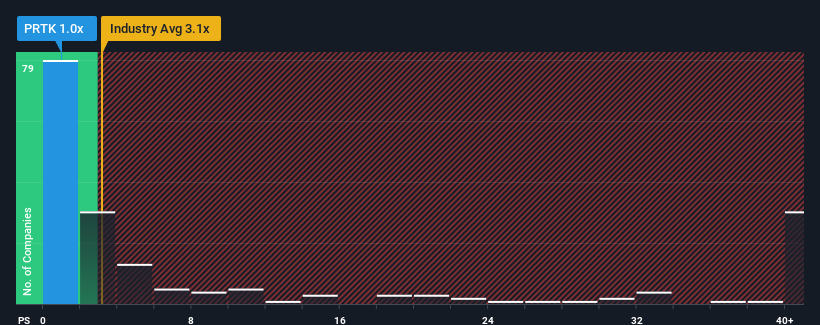
In spite of the agency bounce in price tag, Paratek Prescribed drugs may well still glimpse like a potent obtaining opportunity at existing with its value-to-revenue (or “P/S”) ratio of 1x, contemplating just about 50 percent of all businesses in the Prescribed drugs sector in the United States have P/S ratios increased than 3.1x and even P/S bigger than 15x usually are not out of the common. Nonetheless, we would need to have to dig a little deeper to establish if there is a rational basis for the remarkably minimized P/S.

Watch our hottest investigation for Paratek Prescribed drugs

There’s No Escaping Paratek Pharmaceuticals, Inc.’s (NASDAQ:PRTK) Muted Revenues Despite A 77{1668a97e7bfe6d80c144078b89af180f360665b4ea188e6054b2f93f7302966b} Share Price Rise
ps-various-vs-industry

What Does Paratek Pharmaceuticals’ P/S Imply For Shareholders?

Paratek Prescribed drugs surely has been doing a good work currently as it is really been expanding income additional than most other businesses. 1 likelihood is that the P/S ratio is low simply because traders imagine this potent income efficiency could possibly be significantly less spectacular going forward. If not, then current shareholders have cause to be very optimistic about the future route of the share price tag.

If you’d like to see what analysts are forecasting likely ahead, you ought to check out out our cost-free report on Paratek Prescription drugs.

Is There Any Profits Development Forecasted For Paratek Prescription drugs?

In order to justify its P/S ratio, Paratek Pharmaceuticals would will need to make anemic growth which is significantly trailing the sector.

If we evaluation the final yr of profits development, the enterprise posted a marvelous raise of 23{1668a97e7bfe6d80c144078b89af180f360665b4ea188e6054b2f93f7302966b}. Spectacularly, a few 12 months revenue development has ballooned by a number of orders of magnitude, thanks in section to the last 12 months of profits advancement. Hence, it can be truthful to say the revenue progress recently has been fantastic for the organization.

Searching forward now, income is expected to climb by  per yr throughout the coming 3 years according to the a few analysts next the enterprise. Which is shaping up to be materially decreased than the  per annum development forecast for the broader sector.

With this in thing to consider, its obvious as to why Paratek Pharmaceuticals’ P/S is falling small sector friends. It appears most buyers are expecting to see minimal potential expansion and are only ready to pay a minimized amount for the stock.

What Does Paratek Pharmaceuticals’ P/S Necessarily mean For Investors?

Even just after this sort of a powerful value go, Paratek Pharmaceuticals’ P/S continue to trails the relaxation of the industry. Generally, we’d warning in opposition to reading through much too a great deal into cost-to-profits ratios when settling on financial commitment conclusions, nevertheless it can expose loads about what other market place individuals assume about the company.

As we suspected, our examination of Paratek Pharmaceuticals’ analyst forecasts unveiled that its inferior earnings outlook is contributing to its lower P/S. Shareholders’ pessimism on the income prospective clients for the company would seem to be the key contributor to the depressed P/S. The firm will want a transform of fortune to justify the P/S soaring better in the foreseeable future.

You should usually think about threats. Situation in place, we have noticed 4 warning indicators for Paratek Prescription drugs you ought to be informed of, and 3 of them are a little bit disagreeable.

If these risks are creating you reconsider your view on Paratek Pharmaceuticals, investigate our interactive list of superior excellent shares to get an plan of what else is out there.

Have suggestions on this posting? Involved about the content? Get in touch with us immediately. Alternatively, e mail editorial-team (at) simplywallst.com.

This posting by Just Wall St is standard in mother nature. We give commentary based on historical details and analyst forecasts only using an impartial methodology and our articles or blog posts are not meant to be financial information. It does not represent a suggestion to obtain or offer any inventory, and does not choose account of your targets, or your financial circumstance. We intention to carry you extensive-expression focused analysis pushed by basic knowledge. Take note that our evaluation could not element in the most current price tag-sensitive organization announcements or qualitative content. Simply Wall St has no place in any stocks outlined.

Be a part of A Compensated Person Analysis Session
You will get a US$30 Amazon Reward card for 1 hour of your time whilst supporting us develop superior investing resources for the individual traders like by yourself. Signal up in this article