How Online Training Is Changing the Way Industrial Engineers Learn

How Online Training Is Changing the Way Industrial Engineers Learn

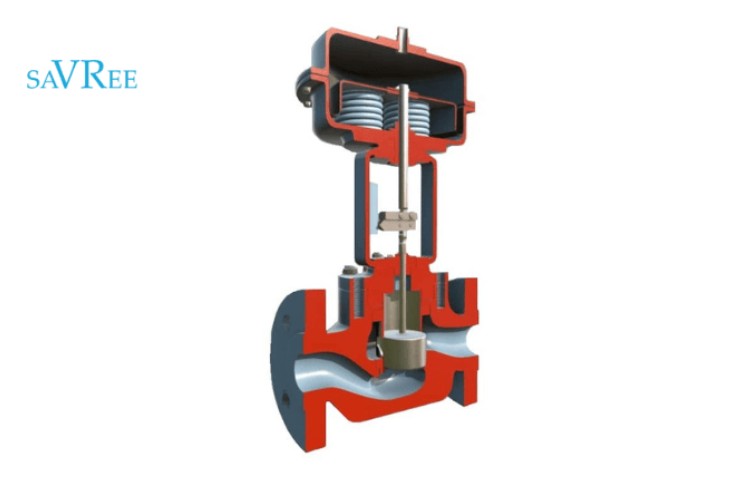
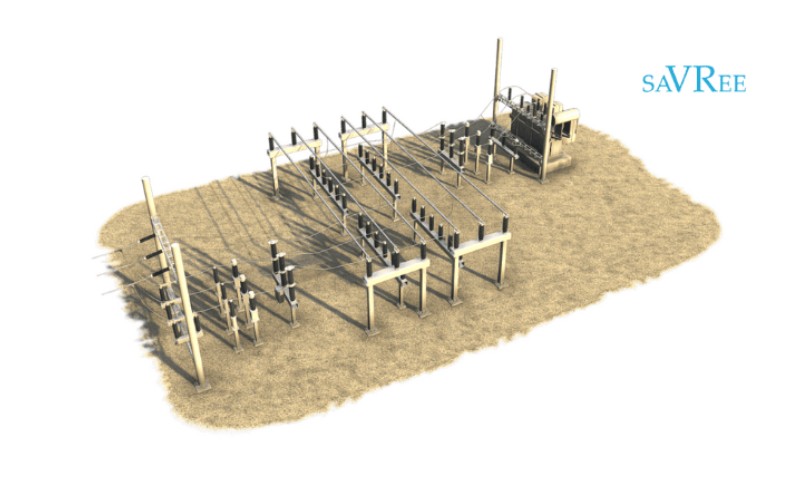
Image Source: saVRee.com

Industrial engineering has always focused on optimization: making systems, processes, and organizations more efficient, effective, reliable, and less costly. Industrial engineers have always had to master not just the foundation of engineering, but also complex tools, digital systems, and problem-solving methods that are needed to keep pace with industry.

Industrial engineering knowledge has traditionally been acquired through formal post-secondary educational institutions, textbooks, and workplace training. That said, there has always been some type of digital/technology-assisted engineering education; however, in today’s world, digital/technology-assisted engineering education has transformed the way engineers learn. With the increasing use of online industrial engineering courses, students and professionals now have access to a flexible and interactive form of training and can learn about areas that focus closely on their industry sector, and assist them in solving complex problems that they may face after their training.

In this post, we will look at the way online training is changing industrial engineering learning, identify advantages over traditional approaches, and ultimately reflect on how online learning programs, such as saVRee, can help the industrial engineering profession move forward.

The Traditional Approach to Industrial Engineering Education

For decades, industrial engineers have been trained primarily through academic programs. These include structured courses in operations research, manufacturing systems, logistics, quality management, and human factors.

Strengths of traditional training include:

  • Accreditation and Structure: University degrees provide formal recognition and a standardized curriculum.
  • Face-to-Face Interaction: Direct access to professors and peer discussions.
  • Hands-On Labs: Opportunities to experiment with physical systems and simulations.

Limitations of traditional training:

  • High Costs: Tuition fees, lab expenses, and textbooks are significant.
  • Limited Flexibility: Students must adhere to fixed schedules and physical locations.
  • Curriculum Gaps: Academic programs often lag industry trends, leaving graduates under prepared for the demands of the workplace.
  • Access Barriers: Not all learners worldwide can afford or access quality industrial engineering programs.

While universities remain vital for foundational learning, they often struggle to keep pace with the rapid pace of industrial transformation.

The Shift Toward Online Industrial Engineering Learning

In the wake of the digital revolution, education has shifted across disciplines (including industrial engineering). Today, online education allows students to learn many of the fundamentals of industrial engineering (systems optimization, process engineering, lean manufacturing, industrial equipment design) without ever visiting a traditional classroom.

Advantages of Online Training for Industrial Engineers

  1. Flexibility and Access

The flexibility of online courses enables learners to study anywhere and anytime. This is especially beneficial for working service sector professionals looking to hone their skills without a career disruption. Additionally, students can pause, replay, revisit, and review complex areas of study at their own pace.

  1. Relevant Industry Content

Online courses are relevant to industry, as opposed to many of the traditional programs that remain unchanged for years, as they complete a full curriculum review. Online training is frequently refreshed with emerging industry practices, tools, and standards to ensure that learners are studying relevant content.

  1. Visual and Interactive Learning

Textbooks and static diagrams rarely capture the complexity of industrial systems. Platforms like saVRee offer students 3D models, animations, and interactive diagrams, allowing them to explore machinery, processes, and systems from a virtual perspective.

  1. Cost-Effective

Online training removes commuting, relocation, and infrastructure costs while delivering high-quality education at a fraction of the cost. It also helps democratize access to industrial engineering education anywhere in the world.

  1. Lifelong Learning and Upskilling

Engineering careers require continuous development. These online courses help with continuous professional development, allowing engineers to improve their learning abilities and adapt to new technologies, like automation, AI-driven optimization, and smart manufacturing.

Traditional vs. Online Training: A Comparison

Traditional Training

  • Delivery Method: In-person tutorials, handbooks, and hands-on work
  • Flexibility: Designed schedules, location-limited
  • Industry Relevance: Curriculum tends to be outdated when skills are transferred
  • Accessibility: Focused on enrolled students in recognized institutions
  • Cost: Increased tuition, building, and material costs
  • Retention: Passive learning by way of lectures

Online Training

  • Delivery Method: Online lessons, 3D models, and interactions, simulations
  • Flexibility: Anytime, anywhere, at own pace
  • Industry Relevance: Regularly Updated to real-world applications
  • Accessibility: Accessible to anyone with an internet connection at any location
  • Cost: Fair pricing, scalable, subscription-based access
  • Retention: Active learning by way of visuals and interactions

Both Training approaches are worthwhile; however, online training offers organizations a much more flexible and scalable option for today’s rapidly changing industry.

How 3D Visuals Enhance Industrial Engineering Education

Industrial engineers face complexities related to systems — assembly lines, supply chains, robotics, quality control devices, etc. They typically have to understand these systems from static images or animations. 

3D visuals support the learning revolutionize by:

  • Dissecting machinery into its constituent parts so they can be analyzed in detail.
  • Simulating processes and providing visuals to show how systems work in a variety of situations.
  • Providing virtual tours of industrial plants, logistics systems, and manufacturing processes.
  • Providing more relevant content by connecting theory to practice so the learner can see how theory (like formulae) is reflected in reality.

saVRee and similar platforms take advantage of these tools to engage learners and help the components make sense.

The Role of saVRee in Industrial Engineering Training

saVRee has emerged as an authority in the provision of online industrial engineering-based training that combines theory with active, visual learning.  

The highlights of saVRee training include:  

  • 3D Models and Animations: In an engaging way, learners can explore industrial equipment and processes. 
  • Wide Course Coverage: From mechanical systems to electrical and industrial processes, saVRee has a significant number of engineering topics covered. 
  • Enterprise Training Solutions: saVRee provides a solution for organizations to engage and enhance the skills of entire departments. 
  • Worldwide Access: Anyone with internet access can learn, regardless of geographical limitations. 

saVRee combines rigorous standards with an innovative delivery method to provide learners with the best possibility of learning the skills they need to be successful in both educational and professional contexts.

Why Online Training Is the Future for Industrial Engineers

The industrial engineering profession is rapidly changing due to digital transformation, smart factories, and sustainability. Online training safeguards engineers against that future by: 

  • Falling in line with technological change, allowing engineers to access updated, on-demand courses. 
  • Supporting hybrid learning, leveraging the best aspects of traditional learning away from online offerings. 
  • Supporting global learners with accessibility to institutions of high quality who may not otherwise have support for this learning. 
  • Encouraging continuous improvement, similar to the ideals of industrial engineering. 

In summary, online training is efficient, optimized, and flexible – and fits the definition of industrial engineering.

Final Thoughts

Industrial engineering is fundamentally concerned with improving systems and processes, and the learning process for industrial engineers is no different. Online training is changing the game through more flexibility, lower cost, and better relevance.

By taking online industrial engineering courses from saVRee, students and professionals alike can experience online education through online content, on-demand material, and industry-relevant information that provides insights and knowledge to deal with real-life challenges.

The future of learning in industrial engineering will not be based on textbooks alone. The future will entail a combination of ‘old school’ learning blended with the potential of ‘new school’ digital technology, and the core will be online training. For professional engineers and/or students wanting to remain relevant, online training is paramount.

The Future of Engineering Training in the Power Engineering Industry

The Future of Engineering Training in the Power Engineering Industry

The power engineering industry is essential in modern society because it supplies the energy required to drive economies, maintain communities, and develop technologies. The energy sector requires a task force with contemporary experience as the energy system evolves with the advent of smart grids, advanced power plants, and renewable sources. Even though they worked well in the past, traditional training approaches are insufficient to handle the complexity of today’s problems.

Training approaches must take into account stability objectives, digital advances, and quickly evolving technology in order to educate engineers for the future. Platforms like saVRee, known for their interactive and accessible online learning solutions, are leading this change. Their special courses, including power engineering courses, are reshaping how engineers learn and contribute to the future of energy.

Changing Scenario of Power Engineering

Power engineering has always been a dynamic discipline, but the speed of change has increased in recent years. Many factors are affecting the future of the field:

Integration of Renewable Energy

As fossil fuels are being replaced by solar, wind, and hydroelectric power, engineers are better able to comprehend energy storage, grid balance, and hybrid systems.

Smart Grid and Digitization

Smart grid technology demands automation, IOT integration, and knowledge of advanced monitoring systems. Engineers must be suited to work with data-powered, decentralized energy systems.

Environmental Rules

Strict environmental standards are pushing companies to adopt more durable and efficient energy production methods.

Global Energy Demand

Because of urbanization and population increase, there is a greater need than ever for clean, reliable power. Engineers should be ready to design and operate the systems in order to continuously address this need.

These modifications emphasize the value of cutting-edge teaching strategies that equip engineers to tackle the energy concerns of the future.

Why Traditional Training Is No Longer Enough

In the past, textbooks, lectures in class, and punctual lab sessions were frequently used in power engineering education. Although these methods offered theoretical understanding, they had drawbacks:

Absence of real-time visualization: The operation of turbines, generators, and transmission systems under various conditions cannot be adequately represented by stable diagrams.

Restricted access: Not all students have access to high-quality labs and equipment because they are costly.

Slow adaptation: Graduates of traditional schools are sometimes unprepared for new technologies since they frequently lag behind industry advancements.

Modern, adaptable, and more appealing methods of teaching engineering are therefore in more demand.

Digital Change in Power Engineering Training

The future of power engineering education is digital. Training is moving towards online platforms that take advantage of video, simulation, and interactive 3D models. This change is inspired by many benefits:

  1. Interactive Learning

Nearly every component can rotate, break down, and detect other components thanks to interactive 3D model engineering. Complex systems like heat exchangers, generators, and gas turbines are simple to comprehend at this level of involvement.

  1. Flexibility and Availability

Geographical limitations are removed with online training. World-class resources are available to engineers and students everywhere, negating the need for physical labs or in-person instruction.

  1. Economical and Scalable

A single course can train hundreds of workers, saving money on equipment, travel, and instructor-led sessions.

  1. Real-World Application

Digital courses can simulate real-world scenarios such as system failures or load changes, allowing learners to get practical experience without risk.

  1. Constant Update

Online courses, as opposed to textbooks, can be updated often to incorporate the newest methods and business practices.

saVRee’s Role in Power Engineering Training

saVRee is a pioneer in technical and engineering e-learning. By combining high-quality videos, interactive 3D models, and specialist-led instructions, saVRee makes sure learners not only understand the theoretical knowledge but also understand its real-world application.

The power engineering course introduced by saVRee is designed to meet the specific requirements of today’s energy industry. It incorporates essential subjects such as:

    • Power plant system and operation
    • Renewable energy integration
    • Electrical machines and equipment
    • Industrial energy efficiency
    • Security and troubleshooting in the power system

saVRee can visually convert abstract engineering concepts into attractive lessons so that learners can interact with them. Whether you are preparing for a career in energy or a professional looking to upskill, saVRee’s courses provide solutions prepared for the future.

The Benefits of Online Power Engineering Courses

For learners and organizations, investing in modern training solutions provides many major benefits:

Skill enhancement: Get practical knowledge of systems and processes that are directly applied to the workplace.

Global relevance: stay updated with international standards, renewable integration, and smart grid technology.

Career advancement: Possessing credentials from reliable websites, like saVRee, can improve job opportunities.

Organizational development: Companies can ensure that their staff members are informed, obedient, and equipped to handle new tasks.

The Future Outlook: AR, VR, and Beyond

The future of engineering training in the power industry is beyond online courses and videos. Digital advancements such as Virtual Reality and Augmented Reality will enhance learning for sure. Imagine engineers managing a control system, navigating a simulated power plant, or diagnosing equipment in a secure, realistic setting.

Artificial Intelligence (AI) will adopt content, more personalized and adapt materials to the areas of speed and difficulty of each learner. saVRee’s constant attention to innovation ensures that learners will always have access to the latest progress in training technology.

Conclusion

The future of the power industry lies in engineering education, which is digital, interactive, and widely available. Engineers need to be updated with the latest developments as the industry changes with stability, smart grids, and renewable energy. Traditional training techniques are no longer enough.

Engineer learning is undergoing a revolution thanks to platforms like saVRee, which provide flexible, reasonably priced, and highly interactive solutions. Students may equip themselves for the opportunities and difficulties of the energy environment of the future with tools like power engineering courses.

Modern society will always revolve around power engineering, and engineers who receive the proper training will be equipped to spearhead innovation and build a sustainable energy future.

The Power of Precision: Why Precision Parts Manufacturing Is Essential in Today’s Industries

The Power of Precision: Why Precision Parts Manufacturing Is Essential in Today’s Industries

The Power of Precision: Why Precision Parts Manufacturing Is Essential in Today’s Industries

In today’s fast-paced, technology-driven world, even the smallest mechanical components must meet exacting standards. Whether it’s aerospace, automotive, medical devices, or electronics, precision parts manufacturing has become the backbone of modern industry. This highly specialized process ensures that every component, no matter how small, performs with flawless accuracy and consistent reliability.

What Is Precision Parts Manufacturing?

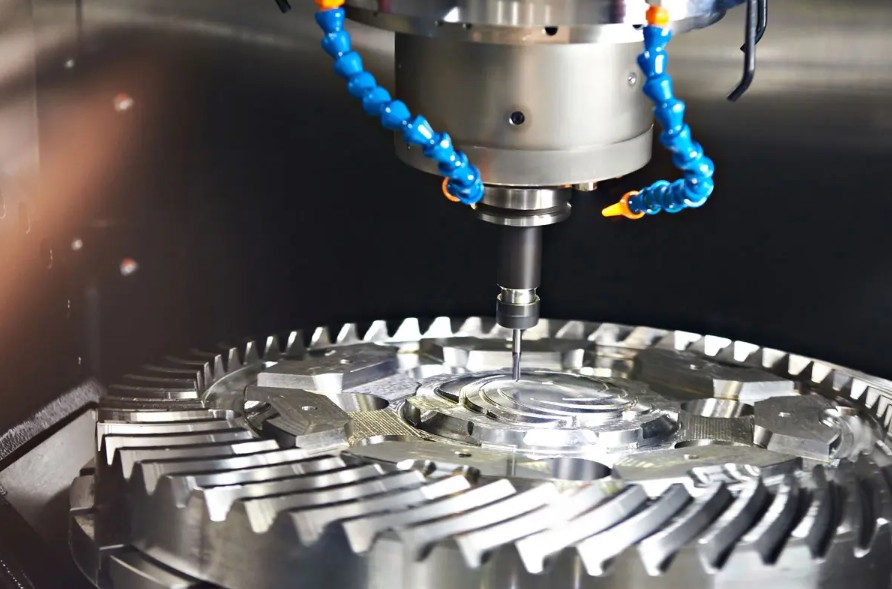
Precision parts manufacturing involves the production of components with extremely tight tolerances—often within microns. These parts are fabricated using high-tech machinery like CNC (Computer Numerical Control) machines, electrical discharge machines (EDM), laser cutters, and advanced inspection tools. The goal is to produce parts that perfectly match design specifications, often for high-performance or safety-critical applications.

Industries That Rely on Precision Manufacturing

  1. Aerospace and Defense: The aerospace industry demands perfection. From jet engine parts to satellite components, precision ensures safety, performance, and compliance with strict regulations.
  2. Medical and Healthcare: Surgical instruments, implants, and diagnostic devices must be manufactured with microscopic precision to ensure safety and effectiveness.
  3. Automotive: From engine components to transmission gears, precision parts help vehicles run smoothly and safely.
  4. Electronics: Microchips, connectors, and other tiny parts in your phone or computer rely on precision machining to function reliably.

Benefits of Precision Parts Manufacturing

  • Exceptional Accuracy: Advanced equipment and skilled engineers ensure that parts are produced to exact specifications, reducing variability and error.
  • Consistent Quality: Automated processes ensure uniform quality in every batch, which is essential for high-volume production.
  • Material Efficiency: Precision machining minimizes waste, leading to cost-effective production and more sustainable use of materials.
  • Speed and Scalability: Once programmed, CNC and automated systems can produce large quantities quickly while maintaining tight tolerances.

Technology Driving Precision Manufacturing

Modern precision manufacturing is driven by a combination of hardware and software innovations. CNC machines, 5-axis milling, additive manufacturing (3D printing), and AI-powered quality control systems have revolutionized the industry. These technologies allow for quicker prototyping, faster iteration, and even greater accuracy than ever before.

Why Choosing the Right Partner Matters

Not all manufacturers are created equal. Partnering with a reliable precision manufacturing company ensures:

  • Compliance with international standards (e.g., ISO 9001, AS9100)
  • Access to the latest machinery and inspection equipment
  • Experienced technicians and engineers who understand complex requirements
  • On-time delivery and consistent performance

Final Thoughts

Precision parts manufacturing plays a silent yet vital role in our daily lives. From the car you drive to the medical devices that save lives, these components make modern conveniences and technological advancements possible. As industries continue to demand higher performance and tighter tolerances, precision manufacturing will only grow in importance.

If your business relies on components that must perform without fail, investing in high-quality precision parts manufacturing isn’t a luxury—it’s a necessity.

How to Identify the Type of Transformer

How to Identify the Type of Transformer

How to Identify the Type of Transformer

Transformers are an essential component of electrical systems. They serve various functions, such as adjusting voltage or isolating a circuit. It is important to know the type of transformer that you have in order to understand its use and ensure proper usage. This guide will help you identify the type of transformer.

Examine the Voltage Rating

Transformers are classified based on their voltage transformation capabilities: Transformers are classified according to their ability to transform voltage:

  • Step-up Transformers are transformers that increase the voltage from the input side to the output side. They are used for power transmission and generation systems. Step-up transformers are those whose secondary voltage rating exceeds the primary.
  • Step-down transformers reduce the voltage from the secondary to the primary side. These transformers are used in many electrical distribution systems to reduce voltage. Step-down transformers are used when the primary voltage exceeds the secondary voltage.

You can quickly tell by comparing the input and output voltage ratings if the transformer was designed to step-up or step-down voltage.

Check the Transformer’s Application

Transformers are designed for specific applications. This can help you to identify the type. Transformers are often used for specific applications. Here are some examples.

  • Power Transmission: If it’s part of a transmission line with high voltage, then the transformer is probably a step-up converter used to boost voltage for long-distance transmission.
  • Electrical Distribution: Step-down transformers are usually located in residential or commercial areas and reduce the high voltage to 120V/240V.
  • Isolated Systems: A transformer that is used in sensitive electronic or industrial environments may be an “isolation transformer”. These transformers are designed to provide circuit protection from noise and power surges.

Inspect the Physical Design

The physical design can give valuable clues. You can, for example:

  • Isolation Transformers have often two separate windings which are physically separated to prevent direct electric connection. The coils may be shielded for added protection.
  • Autotransformers only have one coil that is both primary and secondary, with taps placed at different points for adjusting voltage levels. This design is typically more compact and lighter.

Look at the Nameplate

The nameplate is an important resource. The nameplate contains important information, such as voltage ratings and current ratings. It can also confirm the transformer type. Nameplates often state explicitly whether the unit is step up, step down, or isolated.

It is important to identify the transformer type to ensure that it meets your system’s needs. You can determine quickly whether you’re working with a step-up, step-down, or isolation transformer by examining the voltage ratings, checking out the application, inspecting the physical design, and reading the nameplate. Understanding the transformer’s purpose will allow you to use it safely and correctly.

This post was written by a professional at Electrical Transformer Buyers. As a premier destination for buying and selling electrical transformers, Electrical Transformer Buyers is your go-to partner in the industry. Backed by years of experience and a team of highly skilled professionals, we are committed to providing comprehensive solutions for all your electrical transformer needs. Click here to learn more!

Understanding the ISO 14001 Standard: A Comprehensive Guide

Understanding the ISO 14001 Standard: A Comprehensive Guide

Understanding the ISO 14001 Standard: A Comprehensive Guide

Introduction

In today’s world, environmental sustainability has become a critical focus for businesses across all industries. With increasing awareness and concern about environmental impacts, organizations are under pressure to adopt sustainable practices and demonstrate their commitment to the environment. One of the most effective ways to achieve this is by implementing the ISO 14001 standard, a globally recognized framework for environmental management systems (EMS).

The ISO 14001 standard provides a systematic approach for organizations to manage their environmental responsibilities. It helps businesses identify and control their environmental impact, improve their environmental performance, and ensure compliance with regulatory requirements. By adopting ISO 14001, organizations can enhance their reputation, reduce costs, and contribute to the global effort to protect the environment.

This comprehensive guide will explore the ISO 14001 standard in detail, covering its key components, implementation steps, benefits, and challenges. Whether you are new to ISO 14001 or looking to improve your existing environmental management system, this guide will provide valuable insights and practical advice to help you on your journey toward sustainability.

What is ISO 14001?

ISO 14001 is an internationally recognized standard that outlines the requirements for an effective environmental management system (EMS). It is part of the broader ISO 14000 family of standards, which focuses on various aspects of environmental management. The primary aim of ISO 14001 is to help organizations improve their environmental performance through more efficient use of resources and reduction of waste, thereby gaining a competitive advantage and the trust of stakeholders.

The ISO 14001 standard provides a framework that an organization can follow, rather than establishing environmental performance requirements. It allows for flexibility and can be applied to any organization regardless of its size, type, or nature. This standard helps organizations:

  • Develop and Implement an Environmental Policy: Establish an overarching policy that defines the organization’s commitment to environmental management.
  • Identify Environmental Aspects and Impacts: Determine the environmental aspects of its activities, products, and services, and understand how they impact the environment.
  • Set Objectives and Targets: Establish measurable environmental objectives and targets to improve environmental performance.
  • Ensure Legal Compliance: Identify and comply with applicable environmental laws and regulations.
  • Continual Improvement: Use the Plan-Do-Check-Act (PDCA) cycle to achieve continual improvement in environmental performance.

The key components of the ISO 14001 standard include:

  • Environmental Policy: A statement of the organization’s commitment to the environment, including compliance with legal requirements and continual improvement.
  • Planning: Identifying environmental aspects and impacts, legal requirements, objectives, and targets, and developing a program to achieve them.
  • Implementation and Operation: Establishing roles and responsibilities, providing training, and communicating with stakeholders to ensure the EMS is effectively implemented.
  • Checking and Corrective Action: Monitoring and measuring performance, conducting internal audits, and taking corrective actions to address non-conformities.
  • Management Review: Regularly reviewing the EMS to ensure it remains suitable, adequate, and effective.

ISO 14001 is not just about reducing environmental impact but also about improving overall business performance. It helps organizations to systematically manage their environmental responsibilities in a way that contributes to the environmental pillar of sustainability. By adopting ISO 14001, organizations can demonstrate their commitment to environmental stewardship, enhance their reputation, and gain a competitive edge in the market.

Key Components of ISO 14001

ISO 14001 is structured around the Plan-Do-Check-Act (PDCA) cycle, which is a continuous improvement process used to enhance environmental performance. The key components of ISO 14001 include:

1. Environmental Policy

The environmental policy is the foundation of an organization’s environmental management system (EMS). It is a statement from top management that outlines the organization’s commitment to environmental performance. The policy should reflect the organization’s mission, values, and objectives, and it should include commitments to:

  • Compliance with applicable legal and other requirements
  • Prevention of pollution
  • Continual improvement of the EMS

2. Planning

The planning phase involves identifying the environmental aspects and impacts of the organization’s activities, products, and services. It includes:

  • Environmental Aspects and Impacts: Identifying elements of the organization’s activities that can interact with the environment and assessing the associated impacts.
  • Legal and Other Requirements: Identifying and having access to applicable environmental laws, regulations, and other requirements.
  • Objectives and Targets: Setting measurable environmental objectives and targets that align with the policy and are consistent with the commitment to continual improvement.
  • Environmental Management Programs: Developing programs to achieve the set objectives and targets, specifying responsibilities, means, and timeframes.

3. Implementation and Operation

This component focuses on putting the EMS into action. It includes:

  • Resources, Roles, and Responsibilities: Ensuring that necessary resources are available and defining roles, responsibilities, and authorities for EMS implementation.
  • Competence, Training, and Awareness: Ensuring that employees are competent and adequately trained to perform tasks that can have significant environmental impacts.
  • Communication: Establishing procedures for internal and external communication regarding the EMS.
  • Documentation: Creating and maintaining EMS documentation, including the environmental policy, objectives, and targets.
  • Operational Control: Identifying and planning operations that are associated with significant environmental aspects to ensure they are carried out under specified conditions.
  • Emergency Preparedness and Response: Establishing procedures to identify potential emergency situations and responding effectively to mitigate environmental impacts.

4. Checking and Corrective Action

This phase involves monitoring and measuring the performance of the EMS to ensure it is functioning as intended. It includes:

  • Monitoring and Measurement: Tracking key environmental performance indicators and the progress toward achieving objectives and targets.
  • Evaluation of Compliance: Regularly checking compliance with legal and other requirements.
  • Non-conformity, Corrective and Preventive Action: Identifying and correcting non-conformities, and taking action to prevent recurrence.
  • Control of Records: Maintaining records to demonstrate conformity to the EMS and effective operation.
  • Internal Audit: Conducting regular internal audits to determine whether the EMS conforms to planned arrangements and is effectively implemented and maintained.

5. Management Review

The management review is a periodic evaluation of the EMS by top management to ensure its continuing suitability, adequacy, and effectiveness. This review includes:

  • Review Inputs: Considering results from audits, changes in external and internal issues, environmental performance, and the status of corrective actions.
  • Review Outputs: Making decisions and actions related to possible changes to the policy, objectives, and other elements of the EMS to ensure continual improvement.

By integrating these components into their operations, organizations can systematically manage their environmental responsibilities, improve performance, and ensure compliance with regulatory requirements. The ISO 14001 standard not only helps in reducing environmental impact but also enhances overall business efficiency and sustainability.

Steps to Implement ISO 14001

Implementing ISO 14001 requires a systematic approach that involves commitment, planning, execution, monitoring, and continual improvement. Here are the essential steps to successfully implement ISO 14001 in your organization:

1. Commitment and Policy

  • Secure Top Management Commitment: The support and commitment of top management are crucial for the successful implementation of ISO 14001. They must provide the necessary resources and support.
  • Define the Environmental Policy: Develop an environmental policy that reflects the organization’s commitment to compliance with legal requirements, pollution prevention, and continual improvement. This policy should be communicated to all employees and made available to the public.

2. Planning

  • Conduct an Environmental Review: Assess the current environmental aspects and impacts of the organization’s activities, products, and services. Identify areas where improvements can be made.
  • Identify Legal and Other Requirements: Determine the environmental laws, regulations, and other requirements applicable to the organization.
  • Set Objectives and Targets: Establish specific, measurable, achievable, relevant, and time-bound (SMART) environmental objectives and targets that align with the organization’s policy.
  • Develop an Action Plan: Create a detailed action plan to achieve the set objectives and targets, specifying responsibilities, resources, and timelines.

3. Implementation

  • Define Roles and Responsibilities: Clearly assign roles, responsibilities, and authorities for the implementation and maintenance of the EMS.
  • Provide Training and Awareness: Ensure that employees are aware of the environmental policy and their roles within the EMS. Provide necessary training to enhance competence.
  • Communicate with Stakeholders: Establish procedures for internal and external communication regarding the EMS, including how information will be disseminated and feedback received.
  • Document the EMS: Develop and maintain documentation that includes the environmental policy, objectives and targets, procedures, and records.
  • Implement Operational Controls: Identify and plan operations that can have significant environmental impacts, and ensure they are carried out under specified conditions.
  • Establish Emergency Preparedness and Response: Develop procedures to respond to potential emergency situations and incidents that could impact the environment.

4. Monitoring and Measurement

  • Track Performance: Monitor key environmental performance indicators and measure progress towards achieving objectives and targets.
  • Conduct Internal Audits: Regularly perform internal audits to verify that the EMS conforms to planned arrangements and is effectively implemented and maintained.
  • Evaluate Compliance: Periodically check compliance with applicable legal and other requirements.
  • Manage Non-conformities: Identify non-conformities, take corrective actions to address them, and implement preventive actions to avoid recurrence.
  • Control Records: Maintain records to demonstrate conformity to the EMS and the effective operation of processes.

5. Review and Improvement

  • Management Review: Conduct regular management reviews to evaluate the EMS’s performance, considering audit results, compliance status, environmental performance, and other relevant factors.
  • Continual Improvement: Based on the management review, identify opportunities for improvement and make necessary adjustments to the EMS. Implement changes to enhance environmental performance continually.

By following these steps, organizations can effectively implement ISO 14001, leading to improved environmental performance, compliance with legal requirements, and a commitment to sustainability. This systematic approach ensures that the EMS is not only established but also maintained and continually improved, benefiting both the organization and the environment.

Benefits of ISO 14001 Certification

Achieving ISO 14001 certification offers a multitude of benefits for organizations. These benefits extend beyond environmental performance and contribute to overall business success and sustainability. Here are some key advantages of obtaining ISO 14001 certification:

1. Enhanced Environmental Performance

ISO 14001 certification helps organizations systematically manage their environmental responsibilities, leading to improved environmental performance. By identifying and controlling environmental aspects, businesses can reduce their negative impact on the environment, conserve resources, and minimize waste.

2. Compliance with Legal Requirements

The standard ensures that organizations stay up-to-date with and comply with applicable environmental laws and regulations. This proactive approach helps avoid legal penalties, fines, and potential damage to the organization’s reputation due to non-compliance.

3. Cost Savings

Implementing ISO 14001 can lead to significant cost savings. By optimizing resource use, reducing waste, and improving energy efficiency, organizations can lower operating costs. These efficiencies can also result in reduced insurance premiums and operational expenses.

4. Improved Reputation and Stakeholder Trust

ISO 14001 certification demonstrates a commitment to environmental stewardship, which can enhance an organization’s reputation. This commitment can lead to increased trust and loyalty from customers, investors, regulators, and the general public. A strong environmental reputation can also provide a competitive edge in the marketplace.

5. Market Opportunities and Competitive Advantage

Many clients and customers prefer to do business with environmentally responsible companies. ISO 14001 certification can open up new market opportunities and help organizations stand out from competitors. It can also be a requirement for participating in certain tenders and contracts, particularly with environmentally conscious organizations.

6. Employee Engagement and Awareness

Implementing an EMS according to ISO 14001 involves training and engaging employees in environmental practices. This engagement can lead to a more environmentally aware workforce, increased employee morale, and a stronger organizational culture focused on sustainability.

7. Risk Management and Improved Efficiency

The systematic approach of ISO 14001 helps organizations identify and manage environmental risks more effectively. By anticipating potential environmental issues and addressing them proactively, organizations can prevent incidents that could disrupt operations and harm the environment. This risk management leads to improved operational efficiency and resilience.

8. Continuous Improvement

ISO 14001 promotes a culture of continuous improvement. Organizations are encouraged to regularly review and improve their environmental management processes. This ongoing effort helps maintain high environmental standards and adapt to changing conditions, regulations, and technological advancements.

9. Better Resource Management

The focus on efficient resource use in ISO 14001 can lead to better management of raw materials, water, and energy. By implementing sustainable practices, organizations can reduce their ecological footprint and contribute to the conservation of natural resources.

10. Global Recognition

ISO 14001 is an internationally recognized standard, providing a globally accepted framework for environmental management. Certification can enhance an organization’s credibility and facilitate business operations across borders by meeting international environmental standards.

In summary, ISO 14001 certification offers comprehensive benefits that enhance environmental performance, ensure legal compliance, reduce costs, and improve overall business sustainability. By adopting this standard, organizations can demonstrate their commitment to protecting the environment while achieving significant operational and strategic advantages.

Challenges in Implementing ISO 14001

While ISO 14001 certification offers numerous benefits, organizations may encounter several challenges during its implementation. Understanding these challenges can help businesses prepare and develop strategies to overcome them effectively. Here are some common challenges faced when implementing ISO 14001:

1. Resource Allocation

Implementing ISO 14001 requires significant investment in terms of time, money, and human resources. Smaller organizations, in particular, may struggle with allocating sufficient resources to develop and maintain the environmental management system (EMS). Ensuring adequate funding and personnel for training, system development, and ongoing maintenance can be challenging.

2. Employee Engagement and Participation

Achieving ISO 14001 certification necessitates the active participation and commitment of employees at all levels of the organization. Engaging employees, fostering a culture of environmental responsibility, and ensuring that everyone understands their role within the EMS can be difficult. Resistance to change and a lack of awareness or interest in environmental issues can further complicate this challenge.

3. Understanding and Interpreting the Standard

ISO 14001 is a comprehensive and detailed standard, and understanding its requirements can be complex. Organizations may face difficulties in interpreting the standard and translating its requirements into practical actions. This challenge often necessitates the involvement of external consultants or experts, which can add to the implementation costs.

4. Integration with Existing Systems

Many organizations already have established management systems, such as ISO 9001 for quality management or ISO 45001 for occupational health and safety. Integrating ISO 14001 with these existing systems can be challenging, as it requires aligning processes, documentation, and objectives across multiple standards. Ensuring consistency and avoiding duplication of efforts can be difficult but is essential for efficient management.

5. Continual Improvement

The principle of continual improvement is central to ISO 14001, requiring organizations to regularly review and enhance their EMS. Maintaining a commitment to continual improvement can be challenging, particularly in the face of competing priorities and resource constraints. Organizations must establish robust mechanisms for monitoring performance, identifying opportunities for improvement, and implementing necessary changes.

6. Documentation and Record-Keeping

ISO 14001 requires comprehensive documentation and meticulous record-keeping to demonstrate compliance with the standard. Managing this documentation and ensuring that records are accurate, up-to-date, and readily accessible can be a time-consuming and complex task. Organizations may need to invest in document management systems or software to streamline this process.

7. Legal and Regulatory Compliance

Staying abreast of relevant environmental laws and regulations is a critical aspect of ISO 14001. Ensuring ongoing compliance can be challenging, particularly in industries subject to frequent regulatory changes. Organizations must establish processes to monitor legal requirements and integrate them into their EMS.

8. Measuring Environmental Performance

Developing meaningful and measurable environmental performance indicators is essential for monitoring progress and achieving ISO 14001 objectives. Identifying appropriate metrics, collecting accurate data, and analyzing performance can be challenging, especially for organizations new to environmental management practices.

9. External Audit and Certification Process

Undergoing an external audit to achieve ISO 14001 certification can be daunting. Preparing for the audit, addressing non-conformities, and ensuring that all aspects of the EMS meet the standard’s requirements can be stressful and resource-intensive. Selecting a competent certification body and managing the audit process effectively are critical for successful certification.

10. Long-Term Commitment

ISO 14001 implementation is not a one-time effort; it requires ongoing commitment and continuous effort to maintain and improve the EMS. Sustaining this long-term commitment can be challenging, particularly when faced with changing organizational priorities, leadership, or market conditions.

In conclusion, while implementing ISO 14001 presents several challenges, these can be effectively managed with proper planning, commitment, and resources. By addressing these challenges proactively, organizations can successfully achieve ISO 14001 certification and realize the many benefits of enhanced environmental management and sustainability.

Conclusion

The ISO 14001 standard is a powerful tool for organizations aiming to improve their environmental performance and achieve sustainable business practices. By following the systematic approach outlined in the standard, businesses can not only meet legal requirements but also realize significant operational and financial benefits. Whether you are starting your ISO 14001 journey or looking to improve your existing EMS, the key is to remain committed to continuous improvement and sustainability.

Implementing ISO 14001 is a strategic decision that can transform your organization’s environmental management approach, leading to long-term benefits for both the business and the planet. Embrace the journey towards sustainability with ISO 14001 and make a positive impact on the environment.


The Ultimate Guide to Steel Gratings: Types, Applications, and Benefits

The Ultimate Guide to Steel Gratings: Types, Applications, and Benefits

The Ultimate Guide to Steel Gratings: Types, Applications, and Benefits

Steel gratings are sturdy and versatile structures made of steel bars or sheets that are welded, riveted, or interlocked together to form a grid pattern. These gratings are commonly used in industrial, commercial, and residential settings for various purposes, such as flooring, walkways, drainage covers, stair treads, sunscreens, and security fences.

The importance of steel gratings lies in their durability, strength, non-slip surface, low maintenance requirements, and cost-effectiveness. They offer an ideal solution for areas that require heavy load-bearing capacity, corrosion resistance, and aesthetic appeal. In this blog post, we will provide an overview of the types and applications of Steel Gratings from JKH Ltd, as well as their advantages and factors to consider when choosing the right steel gratings for a particular application. We will also discuss proper installation and maintenance techniques to ensure the longevity and safety of steel gratings.

Types of Steel Gratings

There are three main types of steel gratings: welded steel gratings, press-locked steel gratings, and riveted steel gratings.

A. Welded steel gratings are made by welding steel bars together to form a panel with a grid pattern. These gratings are durable and suitable for heavy load-bearing applications. They come in various sizes and shapes, and can be customized to fit specific requirements.

B. Press-locked steel gratings are made by interlocking steel bars together without the need for welding. The bars are locked together under pressure, creating a sturdy and stable structure. These gratings are easy to install, and offer a non-slip surface suitable for various applications.

C. Riveted steel gratings are made by riveting steel bars together to form a panel with a grid pattern. These gratings are strong and durable, and are ideal for heavy load-bearing applications. They offer a distinctive look and can be customized to fit specific design requirements.

Each type of steel grating has its own advantages and disadvantages, and the choice of which type to use depends on the specific application and requirements. In the next section, we will discuss the various applications of steel gratings in more detail.

Applications of Steel Gratings

Steel gratings are versatile structures that can be used in a wide range of applications, including:

A. Flooring: Steel gratings can be used as flooring in various settings, such as factories, warehouses, and outdoor areas. They offer a non-slip surface, are easy to clean and maintain, and can withstand heavy loads and foot traffic.

B. Walkways: Steel gratings can be used as walkways in industrial and commercial settings, such as chemical plants and oil refineries. They offer a safe and stable surface, and can withstand exposure to harsh chemicals and extreme temperatures.

C. Drainage covers: Steel gratings can be used as covers for drainage channels, gutters, and culverts. They allow for efficient water drainage, while preventing debris and foreign objects from entering the drainage system.

D. Stair treads: Steel gratings can be used as stair treads in industrial and commercial settings, such as fire escapes and emergency exits. They offer a non-slip surface and can withstand heavy loads and foot traffic.

E. Sunscreens: Steel gratings can be used as sunscreens to provide shade and ventilation in outdoor areas, such as parking lots and sports facilities. They offer a cost-effective and durable solution for sun protection.

F. Security fences: Steel gratings can be used as security fences to prevent unauthorized access to buildings and facilities. They offer a strong and sturdy barrier, and can be customized to fit specific security requirements.

These are just a few examples of the many applications of steel gratings. In the next section, we will discuss the advantages of using steel gratings in more detail.

Advantages of Steel Gratings

There are several advantages to using steel gratings in various applications. Some of the key advantages include:

A. Durability: Steel gratings are known for their high durability and strength, making them ideal for heavy-duty applications that require a long-lasting solution. They can withstand extreme temperatures, weather conditions, and wear and tear, without corroding or rusting.

B. Non-slip surface: Steel gratings offer a non-slip surface, which makes them ideal for flooring and walkway applications. This reduces the risk of accidents and injuries, especially in industrial and commercial settings where there is heavy foot traffic.

C. Low maintenance: Steel gratings require minimal maintenance, making them a cost-effective solution in the long run. They can be easily cleaned with water and soap, and do not require any special cleaning solutions or techniques.

D. Versatility: Steel gratings are versatile structures that can be customized to fit a wide range of applications. They come in various sizes, shapes, and configurations, and can be tailored to fit specific requirements.

E. Cost-effective: Steel gratings offer a cost-effective solution for various applications, as they are durable and require minimal maintenance. They also have a long lifespan, which means they do not need to be replaced frequently.

F. Eco-friendly: Steel gratings are made from recycled materials, making them an eco-friendly option for various applications. They can be recycled again at the end of their lifespan, further reducing their environmental impact.

These advantages make steel gratings a popular choice in various industries, including construction, manufacturing, and transportation. In the next section, we will discuss the different types of steel gratings in more detail.

Choosing the Right Steel Gratings

When it comes to choosing the right steel gratings for your application, there are several factors to consider. Here are some key considerations:

A. Load capacity: It is important to select steel gratings that can withstand the intended load capacity. This includes both static and dynamic loads, as well as any potential impacts or stresses that may be involved.

B. Size and shape: Steel gratings come in various sizes and shapes, and it is important to select the right dimensions to ensure they fit the application. This includes the length, width, and height of the grating, as well as the spacing between the bars.

C. Surface finish: The surface finish of steel gratings can impact their non-slip properties and overall durability. Some common surface finishes include plain, serrated, and coated, each with their own advantages and disadvantages.

D. Corrosion resistance: Steel gratings are exposed to various environmental factors, such as moisture, chemicals, and UV radiation. It is important to select gratings that have appropriate corrosion resistance properties for the intended application.

E. Installation method: Different installation methods may be required for different applications, such as welding, bolting, or clamping. It is important to consider the installation requirements when selecting steel gratings.

F. Cost: Cost is also an important factor to consider, as it can impact the overall budget for the project. However, it is important not to sacrifice quality for cost, as lower quality gratings may lead to safety hazards and increased maintenance costs in the long run.

By considering these factors and working with a reputable supplier, it is possible to choose the right steel gratings for your application and ensure optimal performance and safety.

Installation and Maintenance of Steel Gratings

Proper installation and maintenance of steel gratings are essential to ensure their longevity, safety, and optimal performance. Here are some key considerations:

A. Installation: Steel gratings should be installed according to the manufacturer’s instructions and any applicable regulations and standards. This includes selecting the appropriate installation method, ensuring proper alignment and spacing, and using appropriate fasteners and tools.

B. Inspection: Regular inspection of steel gratings is important to identify any signs of wear, damage, or corrosion. This includes inspecting the surface, edges, and supports, as well as any connection points.

C. Cleaning: Steel gratings should be regularly cleaned to remove any dirt, debris, or other contaminants that may impact their non-slip properties and overall performance. This can be done using a variety of methods, such as pressure washing, scrubbing, or vacuuming.

D. Repairs: Any signs of wear, damage, or corrosion should be addressed promptly through repairs or replacement. This may involve replacing individual bars or sections of the grating, or reinforcing supports and connections.

E. Safety: It is important to follow appropriate safety procedures when working with steel gratings, such as wearing appropriate protective gear and using proper lifting and handling techniques. It is also important to ensure that the steel gratings are properly secured and stable to prevent any accidents or injuries.

By following these best practices for installation and maintenance, steel gratings can provide long-lasting and reliable performance in a variety of applications.

Conclusion

Steel gratings are a versatile and durable solution for a wide range of applications in industries such as construction, transportation, and manufacturing. By understanding the different types of steel gratings available, their applications and advantages, as well as how to choose and maintain them properly, you can make informed decisions that ensure the best performance and safety.

When selecting steel gratings, it is important to consider factors such as load capacity, slip resistance, and environmental conditions, as well as any applicable regulations and standards. Proper installation and maintenance, including regular inspection and cleaning, can help ensure the longevity and optimal performance of steel gratings.

Overall, steel gratings offer a cost-effective and reliable solution for many industrial and commercial applications. With the right knowledge and approach, you can maximize their benefits and minimize any risks or challenges.