

How Warehouse Rack Damage Affects Safety and Operations in Growing Distribution Facilities

How Warehouse Rack Damage Affects Safety and Operations in Growing Distribution Facilities

As distribution facilities expand to meet higher inventory demands and faster shipping expectations, warehouse infrastructure is often pushed harder than originally intended. Increased forklift traffic, denser storage layouts, and continuous loading cycles can all place additional stress on pallet racking systems.

In growing facilities across Ontario, rack damage is becoming a more common operational concern. While some damage appears minor at first, unresolved structural issues can affect workflow efficiency, employee safety, and long-term operational continuity.

Warehouse Expansion Increases Exposure to Rack Damage

Facility growth typically changes how warehouse space is used. A building that once supported moderate inventory turnover may suddenly operate around the clock with heavier pallet loads and tighter movement corridors.

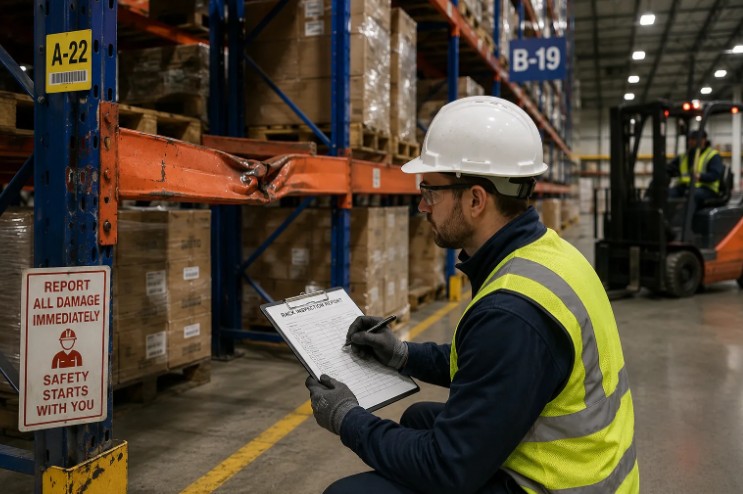
As storage density increases, forklift operators have less room to maneuver safely. High-traffic forklift impact zones often emerge near staging areas, loading docks, and narrow aisle intersections. Even low-speed contact with rack uprights can gradually weaken structural components.

In many cases, warehouse supervisors do not immediately recognize how operational growth contributes to rising damage frequency. Small dents, beam deflection, or shifted frames may appear manageable during busy production periods, but these conditions can worsen quickly under continued load pressure.

Distribution center operations become more vulnerable when damaged racks remain in active use without proper evaluation.

Delayed Damage Reporting Can Affect Operational Continuity

Many warehouses rely on informal reporting practices when structural damage is discovered. Employees may notify supervisors verbally, but without consistent documentation, smaller issues can remain unresolved for long periods.

This creates challenges during warehouse inspections, especially when facilities operate at high capacity. Damage that goes unrecorded may eventually require larger repairs, temporary shutdowns, or restricted access to key storage areas.

Operational downtime is often more disruptive than the repair itself. If an affected aisle must be emptied unexpectedly, inventory movement slows and fulfillment schedules can be impacted across multiple departments.

Structured reporting procedures help operations teams identify recurring problem areas and prioritize repairs before they interfere with daily productivity.

Why Documented Rack Assessments Matter After Impact Events

Not all warehouse rack damage requires full replacement, but every visible impact should be evaluated carefully. Forklift collisions, leaning uprights, cracked welds, or beam displacement can indicate underlying structural stress that is not immediately visible.

This is where documented rack damage assessment processes become important. Formal evaluations help determine whether damaged systems remain safe for continued use or require immediate corrective action.

Facilities experiencing rapid warehouse expansion often benefit from standardized rack inspection protocols because operational conditions change quickly. Inventory weights, aisle layouts, and equipment usage patterns may evolve faster than original rack specifications anticipated.

Companies such as LogiSERV provide documented assessment workflows and certified evaluations that help warehouse operators understand the severity of structural damage and identify appropriate next steps.

Clear assessment records can also support industrial safety compliance efforts by demonstrating that identified risks were reviewed and addressed properly.

Structural Damage Can Create Broader Safety Risks

Warehouse safety compliance depends heavily on maintaining stable and properly functioning storage systems. When damaged racking remains in service, the risk extends beyond the immediate impact location.

Bent uprights can reduce overall load stability across connected rack sections. Damaged beams may shift weight unevenly, increasing stress on surrounding components. Over time, unresolved structural issues can create larger hazards for employees working nearby.

Safety coordinators are increasingly focused on proactive impact damage inspections because many serious incidents begin with smaller, previously overlooked defects.

Common warning signs include:

  • Twisted or leaning frames
  • Missing safety clips
  • Cracked weld points
  • Beam separation
  • Anchor bolt movement
  • Visible corrosion near rack bases

Addressing these conditions early helps facilities maintain safer working environments while reducing the likelihood of emergency shutdowns or inventory loss.

Repair Planning Helps Reduce Long-Term Disruption

Once inspections identify compromised components, facilities must decide whether repair or replacement is the most practical solution. This decision often depends on the age of the system, the severity of the damage, and whether structural integrity can be restored safely.

In many cases, targeted pallet rack repair work allows warehouses to correct localized damage without replacing entire storage systems. Repair planning is especially important in growing facilities where shutting down large operational zones may not be feasible.

Certified repair workflows help ensure that damaged sections are restored according to engineering requirements rather than temporary field modifications. This reduces the likelihood of recurring structural problems and supports more predictable warehouse operations over time.

As Ontario distribution facilities continue expanding, rack maintenance is becoming an increasingly important part of operational planning. Facilities that treat rack damage as an infrastructure issue rather than a minor maintenance concern are generally better positioned to maintain safety, efficiency, and long-term operational stability.

Container for Sale Listings: How to Evaluate Quality, Price, and Suitability

Container for Sale Listings: How to Evaluate Quality, Price, and Suitability

Searching for a container for sale often leads to a wide range of listings that appear similar on the surface but differ significantly in value. Containers are durable assets, yet their usefulness depends on condition, location, and intended application. Without understanding these variables, buyers risk selecting units that do not perform as expected.

This article explains how to evaluate container listings objectively and identify which options align with real-world requirements.

What a “Container for Sale” Typically Represents

Most containers offered for sale in Canada are previously used intermodal units that have completed international service. These containers are resold domestically for storage, construction, and industrial use.

Listings may describe containers using broad terms such as new, used, or refurbished. These labels are not standardized, which makes it important to look beyond the headline description.

Condition Factors That Matter Most

Not all wear impacts performance equally. Buyers should focus on elements that affect function rather than appearance.

  • Door alignment and ease of opening
  • Weather sealing and gasket condition
  • Floor integrity and contamination history
  • Structural deformation affecting stacking or placement

Cosmetic dents and surface rust are common and usually do not affect usability.

Price Differences and What Drives Them

Pricing for containers varies widely even within the same region. Several practical factors influence cost.

Location and Availability

Containers located near major ports tend to be more readily available, while inland listings often reflect additional repositioning costs. This is why a container for sale in one province may be priced very differently than a similar unit elsewhere.

Transportation and Placement

Delivery requirements can significantly affect total cost. Distance, site access, and unloading method all contribute to final pricing.

Buyers comparing options for containers for sale benefit from confirming delivery logistics early.

Use Case Should Drive the Buying Decision

The best container is not the cheapest one, but the one that fits the intended use with minimal compromise.

  • Long-term storage prioritizes dryness and secure doors
  • Frequent access favors smaller units or multiple containers
  • Modification projects benefit from cleaner interiors

Matching condition and configuration to use reduces long-term costs.

Common Misinterpretations in Container ListingsAssuming All Containers Are Watertight

Most containers are wind and water resistant, but worn seals or damaged floors can allow moisture intrusion.

Equating Age With Quality

Manufacturing year alone does not determine condition. How a container was used and maintained matters more.

Inventory Turnover and Timing

Container availability changes frequently based on trade flows and domestic demand. Listings may disappear quickly during peak construction or agricultural seasons.

Reviewing active container inventory provides a more accurate view of current market conditions than relying on past pricing expectations.

Regulatory and Site Planning Considerations

Depending on municipality, containers may be treated as temporary structures or subject to zoning rules. Buyers planning extended on-site use should confirm local requirements before purchasing.

Proper ground preparation and drainage also play a key role in long-term usability.

Evaluating a Listing Before Purchase

A well-described container listing should clearly state size, condition, and location. Photos should show doors, floors, and exterior panels rather than just one angle.

When sourcing a container for sale, clarity and transparency are often stronger indicators of value than price alone.

Frequently Asked QuestionsIs a used container suitable for long-term storage?

Yes, provided it is structurally sound and properly placed.

Why do prices vary so much between listings?

Location, condition, and delivery complexity all influence pricing.

Does a lower price mean lower quality?

Not always, but it often reflects condition or additional logistical costs.

Should buyers inspect containers in person?

Inspection is helpful when possible, especially for long-term or modified use.

How to Select the Right High-Pressure Washer for Industrial Equipment

How to Select the Right High-Pressure Washer for Industrial Equipment

Maintaining industrial equipment and keeping machines clean is no small task. Dirt, grease, grime, and other build-ups look bad and can shorten your equipment’s lifespan. Investing in pressure washing trailers can be a game changer. But here’s the tricky part: not all high-pressure washers are created equal. Picking the wrong one can leave you frustrated, underperforming, and even dealing with more damage than you started with. So how do you make sure you’re investing in the right tool for the job? Let’s break it down.

Know Your Cleaning Needs

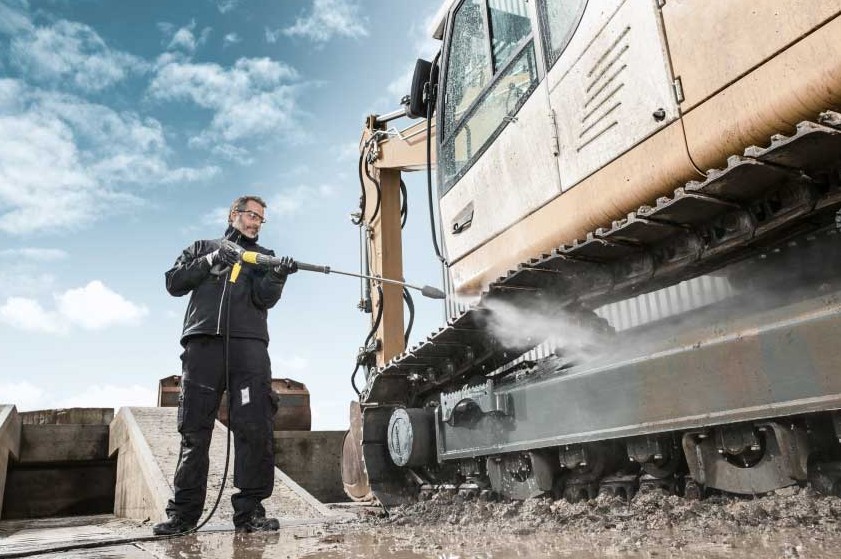
Before you even glance at specs or brands, take a moment to think about the equipment you’re maintaining. Are you dealing mostly with light dirt and dust, or heavy-duty grease, oil, and caked-on mud? The type of contaminants on your machinery will largely determine the pressure and flow rate you need. If you’re cleaning trailers and transport vehicles covered in hardened grime, for instance, you’ll need something more robust than a standard consumer-grade washer.

It’s also worth considering how frequently you’ll be using the washer. Are you running daily cleanings or just occasional maintenance? High-use scenarios demand equipment that can handle prolonged operation without overheating or breaking down. Honestly, nothing’s worse than buying a washer that seems fine on paper, only to have it fail during your first busy week.

Lastly, think about the surfaces you’ll be cleaning. Some industrial surfaces can withstand high-pressure streams without damage, but delicate components or painted surfaces might require adjustable pressure settings. Having a washer that can adapt to different situations will save you a lot of headaches in the long run.

Pay Attention to PSI and GPM

PSI, or pounds per square inch, measures the pressure your washer can produce. GPM, gallons per minute, tells you how much water flows through the system. Together, these numbers give you an idea of how powerful and effective your washer will be. Higher PSI is great for tough grime, while a higher GPM can help rinse off dirt faster. However, more isn’t always better. Too much pressure can damage sensitive machinery, while too little leaves you scrubbing by hand.

You’ll also notice that washers fall into electric and gas-powered categories. Gas washers often deliver higher PSI and GPM, making them ideal for heavy industrial jobs, but they’re louder, require more maintenance, and aren’t as eco-friendly. Electric models tend to be quieter and more convenient, perfect for indoor areas or light-duty tasks. You need to weigh what matters more for your operations.

And don’t forget about the hose and nozzle. A washer’s effectiveness isn’t just determined by its engine. You also need to consider how it delivers water. Nozzles that let you adjust spray patterns or pressure levels give you more control and reduce the risk of damaging sensitive equipment.

Consider Durability and Build Quality

Industrial equipment cleaning isn’t a one-off job; it’s a long-term commitment. That means your washer needs to be built tough. Look for models with stainless steel or brass components, industrial-grade pumps, and reinforced hoses. Cheap plastic parts might seem fine at first, but they’ll wear out fast under constant heavy use.

Mobility is another factor to keep in mind. If your cleaning operation covers a large warehouse or outdoor yard, you’ll want a washer that’s easy to move around. Some models have sturdy wheels and compact frames, while others are bulkier but might include features like hose reels or onboard storage for attachments.

Maintenance is also critical. Industrial washers that are designed with serviceability in mind will save you time and money. Check how easy it is to replace filters, clean the pump, or swap out nozzles. A washer that’s easy to maintain will last longer and perform more reliably, which is especially important if pressure washing trailers and other heavy machinery is a daily task.

The Bottom Line

Selecting the right high-pressure washer for industrial equipment might seem overwhelming at first. However if you break it down into these key factors, it becomes manageable. Evaluate what your operation really requires. Ask yourself what kind of grime you’re tackling, how often you’re cleaning, and which features will make your life easier. Pressure washing trailers and other heavy equipment isn’t just a chore; it’s a strategic part of running a reliable, efficient operation. Choose wisely, and you’ll see the difference every single day.