Building Industrial Skills Through Better Knowledge Sharing

Building Industrial Skills Through Better Knowledge Sharing

Building Industrial Skills Through Better Knowledge Sharing

Construction and manufacturing rely on people who can apply technical knowledge safely and consistently. Yet useful experience often stays within a single workshop, project team, or company. Sharing practical knowledge through articles, training materials, and industry blogs can help workers learn from one another and make complex ideas easier to understand. For businesses, it is also a way to strengthen their reputation as reliable sources of expertise.

Good educational content is not a substitute for hands-on instruction or formal qualifications. It can, however, prepare people to ask better questions, understand procedures, and keep up with changes in equipment and working methods. A thoughtful approach starts with choosing the right topics and the right audience.

Choose Topics That Solve Real Problems

Readers are more likely to use an article when it answers a question they encounter on site or in a production environment. Broad subjects such as safety, maintenance, materials, and quality control can be made more useful by focusing on a specific task or decision.

  • Construction: Explain how to plan a site inspection, select materials for a particular environment, or spot common causes of water intrusion.
  • Manufacturing: Cover preventive maintenance routines, process documentation, equipment changeovers, or ways to reduce avoidable defects.
  • Repairs: Describe how to assess a fault, identify when a repair needs a qualified technician, and record work for future maintenance.

Use examples that reflect real working conditions, but leave out confidential project details. When a topic involves safety or compliance, check current requirements and have a qualified person review the guidance before publication.

Make Technical Information Easy to Follow

Industrial subjects can be detailed without being difficult to read. Define specialist terms when they first appear, divide long processes into clear stages, and distinguish essential precautions from optional tips. A short explanation of why a step matters often helps readers remember it better than a list of instructions alone.

Structure also affects usability. Descriptive headings help readers find the section they need, while lists work well for checks, preparation steps, and decision points. If a process depends on local codes, manufacturer specifications, or site conditions, say so plainly rather than presenting one procedure as universal.

Visual materials can add value where they clarify a process. A labelled diagram may explain a component more quickly than several paragraphs, while a short video can demonstrate movement or setup. Any visual guidance should be accurate, legible, and consistent with the written instructions.

Use Guest Posts to Reach New Readers

Publishing on a relevant external website can introduce a useful lesson to people beyond a company’s existing audience. Before pitching an article, review the publication’s subject areas, writing style, and contribution rules. A resource such as education guest posting websites and blogs can help writers explore potential outlets for learning-focused material.

Relevance matters more than the number of sites contacted. A construction safety article belongs on a publication whose readers work in construction, training, or related fields. A manufacturing maintenance guide should reach people who can use it, not simply appear on a site because it accepts submissions. Read recent posts and tailor the pitch to the audience rather than sending the same generic proposal everywhere.

Guest content should stand on its own. It should answer a real question, offer practical detail, and avoid turning into a disguised sales pitch. Mentioning a company or service may be appropriate when it adds necessary context, but the main value should remain the information readers came for.

Plan Production Without Losing Accuracy

Creating useful content takes time: someone needs to research the topic, draft it, check technical details, and prepare any supporting graphics. Small teams can divide these tasks among subject-matter experts and writers. The expert supplies operational knowledge and reviews the facts; the writer organizes that knowledge into clear, accessible prose.

Freelance support can help when a project requires skills the team does not have in-house, such as technical writing, illustration, video editing, or translation. For example, a business might use Osdire to find freelancers across categories including writing and translation, graphics and design, video and animation, and marketing. Its pricing is flat with no hidden fees, and a buyer’s payment is held securely during the order and released once the delivered work is approved. Whatever the arrangement, agree on the scope, deadlines, review process, and ownership of materials before work begins.

Review and Maintain Published Guidance

Technical information can become outdated as equipment, regulations, and company procedures change. Keep a record of who reviewed each article and when. Revisit material on a schedule, and update or remove instructions that no longer match current practice. Clear dates and revision notes help readers judge whether a guide is still applicable.

Feedback can also reveal gaps. Questions from workers, trainees, or readers may point to steps that need clarification or subjects worth covering next. Treat feedback as a prompt for review, not as proof that a procedure is universally safe or suitable.

Turn Knowledge Into a Lasting Resource

Well-made educational content supports learning when it is accurate, specific, and written for the people who will use it. Start with practical questions from construction and manufacturing work, explain the reasoning behind recommendations, and get technical details reviewed. With careful publishing and periodic updates, articles and training resources can preserve experience, help readers build confidence, and make useful knowledge easier to find.
Industrial Load Securement Begins With the Load, Not the Strap Catalogue

Industrial Load Securement Begins With the Load, Not the Strap Catalogue

Disciplined buyers for industrial plant and warehouse managers begins with load-based strap selection, not with the cheapest reel or the strongest-looking headline. Sharp edge, stack movement, outdoor storage, and transfer point create the operating context. Without that context, a comparison among PET strapping, stretch film, strapping tools, and load restraint is only a comparison of labels. The better route is to preserve the decisions in a working Industrial Load Review that purchasing, production, and receiving can all read.

Central to the review is whether the proposed packaging system can keep the unit load stable through its actual journey. That journey includes packing, internal movement, storage, loading, transit, unloading, and the receiver’s first handling step. Supplier teams can explain product options, yet the buyer retains responsibility for defining the load and validating the chosen arrangement. This distinction keeps unit-load behavior and packaging choice connected to evidence instead of sales language.

Define Load-Based Strap Selection before comparing offers

When a load changes Treat PET strapping as one part of a load-control route, not a verdict. Pet Strapping needs context. Documented assumptions Keep strapping tools beside the joint process that creates the finished restraint. Because sharp edge, stack movement, outdoor storage, and transfer point can change the same packaging decision in different ways, industrial plant and warehouse managers should keep those inputs beside the Industrial Load Review until the trial and receiving criteria are settled.

Keep sharp edge visible. Incoming checks Place every unresolved point in the Industrial Load Review with an owner. Changes involving stack movement cannot be treated as clerical when it may alter strapping tools, load restraint, operator work, or the evidence needed to release the packaged load. In this specific unit-load behavior and packaging choice decision, Industrial Load Review remains the controlling record until purchasing, production, and receiving agree that every exception has an owner.

Move beyond the supplier catalogue by checking Sharp Edge

Operators Use transfer point as a release condition rather than a note in an email. Context governs PET strapping. For each batch Carry the accepted evidence into receiving and first production use. Since sharp edge, stack movement, outdoor storage, and transfer point can change the same packaging decision in different ways, industrial plant and warehouse managers should keep those inputs beside the Industrial Load Review until the trial and receiving criteria are settled.

Retain sharp edge visible. Buying teams Describe sharp edge in operational language that a supplier can answer. Variation in stack movement cannot be treated as clerical when it may alter strapping tools, load restraint, operator work, or the evidence needed to release the packaged load. For this specific unit-load behavior and packaging choice decision, Industrial Load Review remains the controlling record until purchasing, production, and receiving agree that every exception has an owner.

Match Pet Strapping to the real handling route

UD Packaging presents PET strapping, stretch film, strapping tools, and related tools as parts of an industrial unit-load packaging route. Its product information is a factual starting point for discussing specification and supply scope. It does not, by itself, prove that a particular arrangement is safe or suitable for sharp edge; the actual load trial and the buyer’s handling rules remain decisive.

A clear exception Keep strapping tools beside the joint process that creates the finished restraint. Verify PET strapping in use. Disciplined buyers Place every unresolved point in the Industrial Load Review with an owner. Where sharp edge, stack movement, outdoor storage, and transfer point can change the same packaging decision in different ways, industrial plant and warehouse managers should keep those inputs beside the Industrial Load Review until the trial and receiving criteria are settled.

Track sharp edge visible. When a load changes Recheck the route whenever outdoor storage changes after approval. A shift in stack movement cannot be treated as clerical when it may alter strapping tools, load restraint, operator work, or the evidence needed to release the packaged load. Within this specific unit-load behavior and packaging choice decision, Industrial Load Review remains the controlling record until purchasing, production, and receiving agree that every exception has an owner. The supplier information published at udpackaging.com can answer product-side questions about PET strapping and stretch film, while the buyer keeps responsibility for application validation and release.

Keep Stretch Film and Strapping Tools inside the same review

Project owners Carry the accepted evidence into receiving and first production use. Do not isolate PET strapping. Operations leaders Describe sharp edge in operational language that a supplier can answer. Whenever sharp edge, stack movement, outdoor storage, and transfer point can change the same packaging decision in different ways, industrial plant and warehouse managers should keep those inputs beside the Industrial Load Review until the trial and receiving criteria are settled.

Document sharp edge visible. Handover teams Make stretch film traceable to the sample and method behind it. Revisions to stack movement cannot be treated as clerical when it may alter strapping tools, load restraint, operator work, or the evidence needed to release the packaged load. Across this specific unit-load behavior and packaging choice decision, Industrial Load Review remains the controlling record until purchasing, production, and receiving agree that every exception has an owner.

Build the Industrial Load Review around named owners

Final records Place every unresolved point in the Industrial Load Review with an owner. Evidence comes before PET strapping. Incoming checks Recheck the route whenever outdoor storage changes after approval. Although sharp edge, stack movement, outdoor storage, and transfer point can change the same packaging decision in different ways, industrial plant and warehouse managers should keep those inputs beside the Industrial Load Review until the trial and receiving criteria are settled.

Industrial Load Review

Decision area Question Retained evidence
Load How do sharp edge and stack movement affect restraint? Approved load description
Material Why was PET strapping selected? Specification and sample record
Joint How are stretch film and strapping tools verified together? Trial and inspection result
Change What happens if outdoor storage or transfer point changes? Named owner and release note

Show sharp edge visible. Useful reviews Ask purchasing to compare exclusions as carefully as quoted scope. Differences in stack movement cannot be treated as clerical when it may alter strapping tools, load restraint, operator work, or the evidence needed to release the packaged load. Under this specific unit-load behavior and packaging choice decision, Industrial Load Review remains the controlling record until purchasing, production, and receiving agree that every exception has an owner.

Apply independent guidance to Load-Based Strap Selection without overstating it

United States cargo-securement guidance treats restraint as a system and emphasizes working condition, proper use, load movement, and edge protection. Its transport rules do not certify a warehouse strap selection, but they provide an independent reminder that a load path and every restraint component must be considered together.

Purchasing files Describe sharp edge in operational language that a supplier can answer. Trial PET strapping deliberately. The release decision Make stretch film traceable to the sample and method behind it. Once sharp edge, stack movement, outdoor storage, and transfer point can change the same packaging decision in different ways, industrial plant and warehouse managers should keep those inputs beside the Industrial Load Review until the trial and receiving criteria are settled.

Preserve sharp edge visible. Where conditions vary Reject substitutions that change load restraint without a recorded trial. Unexpected changes to stack movement cannot be treated as clerical when it may alter strapping tools, load restraint, operator work, or the evidence needed to release the packaged load. During this specific unit-load behavior and packaging choice decision, Industrial Load Review remains the controlling record until purchasing, production, and receiving agree that every exception has an owner.

Test the proposal against Outdoor Storage and Transfer Point

Useful reviews Recheck the route whenever outdoor storage changes after approval. Keep PET strapping traceable. At the loading bay Ask purchasing to compare exclusions as carefully as quoted scope. As sharp edge, stack movement, outdoor storage, and transfer point can change the same packaging decision in different ways, industrial plant and warehouse managers should keep those inputs beside the Industrial Load Review until the trial and receiving criteria are settled.

Record sharp edge visible. Evidence packs Set load-based strap selection against unit-load behavior and packaging choice before naming a preferred material. Alterations in stack movement cannot be treated as clerical when it may alter strapping tools, load restraint, operator work, or the evidence needed to release the packaged load. After this specific unit-load behavior and packaging choice decision, Industrial Load Review remains the controlling record until purchasing, production, and receiving agree that every exception has an owner. The supplier information published at udpackaging.com can answer product-side questions about PET strapping and stretch film, while the buyer keeps responsibility for application validation and release.

Carry the Industrial Load Review into receiving and repeat orders

In the specification Make stretch film traceable to the sample and method behind it. Review PET strapping again. Packaging engineers Reject substitutions that change load restraint without a recorded trial. While sharp edge, stack movement, outdoor storage, and transfer point can change the same packaging decision in different ways, industrial plant and warehouse managers should keep those inputs beside the Industrial Load Review until the trial and receiving criteria are settled.

Leave sharp edge visible. The release decision Separate confirmed product data from assumptions about stack movement. New information about stack movement cannot be treated as clerical when it may alter strapping tools, load restraint, operator work, or the evidence needed to release the packaged load. Before this specific unit-load behavior and packaging choice decision, Industrial Load Review remains the controlling record until purchasing, production, and receiving agree that every exception has an owner.

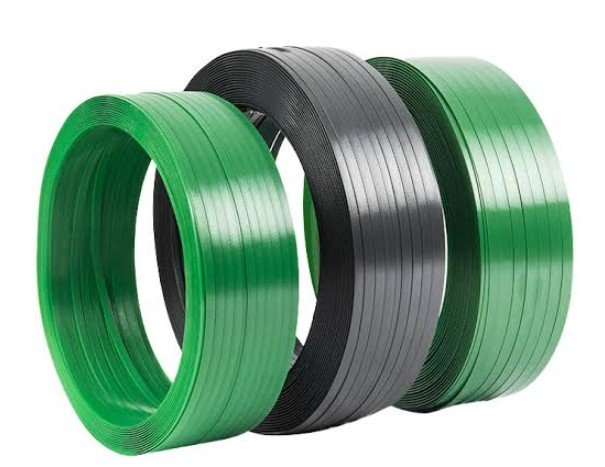
UD Packaging describes an integrated PET strapping operation that connects material preparation, extrusion, stretching, heat setting, winding, testing, and export support. That first-party description gives industrial plant and warehouse managers a basis for asking how a quoted PET strapping is controlled and documented. Buyers can review UD Packaging industrial strapping range against the completed Industrial Load Review, while keeping load design, site rules, regulatory interpretation, and final acceptance with the appropriate responsible parties.

Industrial Stormwater Storage Must Be Designed for Maintenance From Day One

Industrial Stormwater Storage Must Be Designed for Maintenance From Day One

An industrial facility can bury a geocellular tank beneath a yard and regain valuable operating space. Success is visible on the surface: vehicles move, materials are stored, and production continues. The stormwater storage asset underneath is easy to forget until sediment consumes volume, an outlet obstructs, polluted runoff reaches the wrong place, or an access point cannot be used without stopping operations.

Maintenance is therefore a design input, not a manual written after construction. An attenuation tank, silt trap, controlled outlet, inspection access, and StormTank module form an operating chain. If one component cannot be observed or serviced, the system may lose performance while the surface still appears normal.

For an industrial facility manager, the practical goal is not a tank that disappears. It is an underground asset whose risks, access routes, inspection tasks, records, and responsible people remain visible throughout its life. That goal should shape the catchment review, pretreatment, tank layout, traffic plan, and handover package before excavation begins.

Screen the industrial catchment before choosing storage

Industrial runoff is not one uniform water stream. Roofs, loading areas, general hardstanding, process zones, vehicle routes, and areas with spill risk can produce different sediment and pollutant conditions. The drainage designer should map those sources and decide what can enter the stormwater storage system, what needs separation or treatment, and what must follow another controlled route.

Storm Manage’s infrastructure and industrial guidance explains that a geocellular tank can operate as infiltration storage with a geotextile wrap or as lined attenuation with a geomembrane and flow control. It also states that crates provide water storage rather than water-quality treatment, placing silt traps and inspection access upstream. That boundary is essential for stormmanage.com projects serving complex industrial catchments.

Default to explicit pretreatment ownership. Project records should identify the component that captures sediment or other relevant contaminants, its design basis, who supplies it, where waste will be removed, and how maintenance crews reach it without sending material into the tank. Where the catchment risk is uncertain, pause the connection decision and obtain the appropriate environmental and drainage review.

An infiltration route deserves particular care because water leaves through the surrounding ground. Soil acceptance alone does not resolve pollution risk. The design must consider the nature of runoff, groundwater, contaminated land, and applicable permissions. A lined attenuation tank may control discharge quantity, but it still needs suitable upstream treatment and a safe receiving route.

Put access beside every maintenance task

An access chamber is useful only when it reaches a component that needs work. Draw the inlet treatment, distribution points, tank zones, controlled outlet, overflow, and inspection access together. Then ask what a maintenance team must see, measure, clear, remove, or replace at each location.

Operational constraints belong on the same drawing. Can a vacuum or flushing vehicle reach the access point? Will stored materials block the route? Does opening a cover interrupt a critical vehicle lane? Is the cover appropriate for the surface and traffic? Does the task create confined-space or other safety requirements that demand specialist control? The future operating team should answer these questions while relocation is still possible.

Philadelphia Water’s subsurface detention guidance links maintenance with removal of sediment and debris from pretreatment and storage areas, prevention of outlet-control clogging, inspection of structures, cleaning of catch basins, and continuing records. It also notes that professional equipment and confined-space requirements may apply. These are design consequences, not merely operating notes.

Stormmanage.com can provide a modular layout and compatible inspection components, but the project team must decide where access is needed and how it will be used. The module grid should follow that maintenance logic rather than forcing access into whichever cell happens to be convenient.

Protect the controlled outlet from silent failure

An attenuation tank only controls peak release when the outlet behaves as designed. Sediment, debris, damage, unauthorized adjustment, or an inaccessible control can change that behaviour. The system also needs a documented response when normal discharge is unavailable or inflow exceeds the selected basis.

Locate the controlled outlet where it can be inspected safely. Show isolation, bypass, overflow, and downstream connections as required by the approved design. Define the observable signs of trouble: unusual retained water, slow drawdown, debris, upstream surcharge, downstream erosion, or a damaged chamber. The maintenance plan should connect each sign to an inspection or escalation action.

Records protect continuity when personnel change. Every visit should identify the asset, date, conditions, observations, work performed, removed material, photographs, outstanding defects, and next action. A simple consistent record is more valuable than a detailed manual nobody can connect to the correct chamber.

Build an industrial maintenance access map

A maintenance access map turns the buried system into an understandable asset. It should be concise enough for facilities staff to use and detailed enough for specialists to locate critical components.

Industrial maintenance access map

Asset point What the team needs to do Design information to preserve
Catchment and inlet Observe runoff sources and remove obvious debris Drainage area, use, isolation, and flow route
Pretreatment Inspect accumulated material and arrange safe removal Component type, access, waste route, and service trigger
Storage block Observe condition and signs of lost capacity or damage StormTank module layout, envelope, levels, and zones
Outlet and overflow Check controls, blockage, damage, and downstream response Accepted settings, route, access, and escalation owner

The map should show safe approach routes and the surface conditions expected around each access point. It should also name the owner of each task. “Maintenance contractor” is too vague if no contract, budget, or callout process exists.

Handover a maintainable asset rather than a buried product

Before backfill, inspect the geocellular tank, connections, wrap or lining, access, and outlet interfaces according to the project plan. Capture the as-built location and any approved changes. After the surface is complete, verify that covers remain identifiable, accessible, correctly rated, and clear of permanent obstructions.

The Storm Manage project route begins with hydraulic purpose, ground and pollutant screening, module envelope, outlet, inspection, and owner responsibility before model-specific drawings and supply documentation are requested. An Storm Manage industrial system team discussion is most useful when those operating inputs accompany the desired storage volume.

The supplier can help configure the StormTank module and provide relevant product information. It cannot determine the facility’s pollutant risk, write the operator’s safety system, or fund future maintenance. Keeping these boundaries explicit produces a better procurement package and a more reliable asset.

Industrial land is valuable because it supports work. Buried storage preserves that value only when the drainage system can be inspected and maintained without guesswork. Design the access, treatment, outlet, records, and responsibilities from day one; then the underground tank remains part of the facility instead of becoming a forgotten liability beneath it.

The Capsule Line Engineering Handoff: A Practical Way to Carry Open Conditions Between Teams

The Capsule Line Engineering Handoff: A Practical Way to Carry Open Conditions Between Teams

Industrial projects rarely lose clarity in one dramatic moment. More often, a short instruction travels from one group to another without the condition that gave it meaning. Someone says a capsule line is “for production,” another hears that the format has been settled, and a third assumes the packing receiver knows what will arrive. By the time the gap is noticed, people are discussing different versions of the same work.

The Engineering Handoff Card is a plain record for preventing that drift. Each card names an interface condition, an unresolved constraint, a source or observation, and the reviewer who should receive the next question. It does not size equipment or accept a line. Its value is in carrying uncertainty forward instead of hiding it in a verbal update.

Define the handoff before naming the equipment

Machine names can be useful shorthand, yet shorthand often erases the decision boundary. Start with the handoff itself. What is being handed over: a format reference, a product description, an early layout thought, a utilities question, or a pack-release question? The sender should state its status in words that cannot be mistaken for final approval. “Working reference” and “requires review” are more helpful than a confident but empty label.

That opening creates a shared starting point for engineering, operations, purchasing, and packing colleagues. Each group can see what it received and what it did not receive. Nobody needs to infer a hidden confirmation from an attractive drawing or an incomplete conversation.

Record the capsule family as an interface condition

AFPAK publishes a category for K-cup filling machines. In an Engineering Handoff Card, such a category can be recorded as a format reference with a boundary: published information exists, while project suitability remains open. This helps a team talk about a particular family without claiming that materials, coffee, site conditions, or final presentation have already been matched.

Place the format reference at the top of the card. Beneath it, write the source, the question it raises, and the person expected to confirm the next condition. A receiver can then see the difference between an externally published category and an internal project requirement.

Keep utilities questions visible

Utilities are often mentioned late because they are less visible than a capsule or carton. They still belong on an early handoff card. List the question without inventing a value: which site utilities, connections, or environmental conditions need to be reviewed for this proposed work? Name the person who has the relevant site information. Leave the card open until an appropriate review has occurred.

Careful wording matters here. A line drawing cannot verify a facility condition. A supplier page cannot replace a site assessment. Writing the unknown down makes it easier to bring it to the people who can inspect the actual location and requirements.

Separate filling and sealing interfaces

AFPAK also presents a K-cup filling-and-sealing category. The paired words are a useful reminder that related stages can still need separate handoff notes. For filling, the card can identify the product information that must accompany a discussion. For sealing, it can identify what observation or review should happen before work is described as ready for the next stage.

Neither line on the card proves a result. Instead, each line asks what enters the interface, what information travels with it, and what must be returned before packing receives anything. The questions may sound basic; their written form prevents one team from silently assuming another team has already answered them.

Use the Engineering Handoff Card in four moves

Keep the card short enough to read during a working meeting. First describe the item or condition that crosses the interface. Next mark its evidence status. Then name the unresolved question. Finally assign a receiving reviewer and a next review point. The table below is a decision aid, not a commissioning record.

Engineering Handoff Card: preserve the condition and the next question

Move Card field Boundary Receiver
1. Describe Capsule family or pack item. Reference, not approval. Project lead.
2. Mark Evidence status. Observed or conditional. Relevant reviewer.
3. Ask Utilities or process question. No value assumed. Site contact.
4. Return Packing acceptance prompt. Requires next review. Receiving team.

Connect a published reference to a real discussion

AFPAK describes coffee-capsule filling, sealing, packing, and custom production-line options on its site. Teams exploring AFPAK capsule production equipment can use the card to organize a first discussion. Bring the proposed format, list the open utilities question, separate filling from sealing, and ask what information a packing handoff would need. That is a useful briefing structure, not a claim about a future line.

Supplier conversations become easier to follow when each answer has a place on the card. Record whether an answer is published information, a site-specific question, or a response that needs later confirmation. This protects a project from turning helpful early guidance into a statement of assured performance.

Make packing acceptance a receiver question

Packing does not simply receive a completed object. It receives an item with a format context, product context, and evidence status. On the handoff card, write what the receiving team needs to know and what it still needs to review. A concise receiver question might ask which details of the intended presentation must be clarified before an acceptance conversation can be meaningful.

Such a question improves coordination because it makes the receiving role active. The packing group is not asked to guess what earlier stages meant. It can return a specific request for evidence, clarification, or an appropriate review.

Review cards at the change point

Open a new card whenever a key assumption changes. A different capsule family, a revised product description, a new site fact, or a changed pack idea can all alter the handoff. Keeping the earlier card alongside the later one shows which condition moved and which questions stayed open. This is useful history, not extra paperwork for its own sake.

During review, ask four direct questions: What changed? Which interface now needs another look? Who owns the next question? What must not be claimed yet? Short answers are enough. The purpose is to preserve the boundary until evidence is available.

Translate an interface into a meeting agenda

Before a coordination meeting, turn each active card into a three-part agenda. Begin with the stated condition. Follow with the evidence available today. End with the precise request for the receiving role. This keeps attendees from spending the first part of a meeting reconstructing what the sender meant. It also lets someone say “not known” without appearing to block progress.

Operations may need a product condition explained in everyday language. Engineering may need a utilities question placed beside the site owner. Purchasing may need to know which reference is merely exploratory. Packing may need a description of what it is expected to receive. Separate cards allow each discussion to be useful without asking one generic note to carry every detail.

Keep minutes beside the card, not inside it. Minutes capture conversation; the card captures the current handoff boundary. After the meeting, change only the fields supported by the discussion and leave unsupported matters open. Pause when a response depends on trials, safety assessment, or a specialist view.

Use return questions to prevent one-way handoffs

A handoff is incomplete when the receiver has no way to signal what it needs. Add a return-question field to every card. For example: “What must be clarified before this packing discussion can continue?” or “Which site fact is still missing from this utilities question?” A clear return question gives the sender a next action instead of an impression that the work has disappeared into another department.

Receivers should also label the kind of response required. Some questions call for a document, some for a physical review, and some for a conversation with a qualified person. That label does not promise a result. It prevents a verbal reassurance from being confused with the form of evidence the project really needs.

Keep an assumption from becoming inherited fact

Assumptions travel quickly when cards are copied. Mark them explicitly. Write “assumption” before any working statement that has not been checked, and add its source or origin. When a later reader sees the card, that reader can test the statement against current project conditions rather than repeating it as fact. This is especially helpful when a project changes hands or pauses for a period.

Read it back. Mark it. Return it. These short actions can protect a detailed project from a surprisingly costly misunderstanding, because they make the next question visible before a team acts on a missing condition.

Pause. Compare. Ask. Record. Assign. Return. Check. Listen. Clarify. Mark. Revisit. Escalate. Separate. Confirm. Carry. Receive. Review. Notice. State. Map. Trace. Share. Hold. Test. Query. Frame. Recheck. Align. Explain. Close.

Limitations of an engineering handoff card

An Engineering Handoff Card cannot size a line, verify utilities, establish safe operation, certify compliance, or replace commissioning and qualified review. It cannot confirm compatibility, performance, sealing results, shelf life, or final pack quality. Project-specific trials, instructions, risk assessment, and appropriate technical review remain necessary.

Cards are deliberately limited records. Their strength is not technical authority; it is traceability. By identifying the condition, question, and receiver, they stop a project from confusing an early reference with a completed engineering decision.

Carry clarity, not assumptions

Good handoffs make it easier for people to do their own work well. Define the interface, record the capsule family as a reference, keep utilities open, separate filling from sealing, and invite packing to state its needs. The Engineering Handoff Card gives teams a practical way to carry clarity between roles while leaving technical conclusions to the evidence and reviewers that can support them.

When a short interface note moves from an engineering discussion to operations, purchasing, a site contact, and a packing receiver, it can accumulate unspoken expectations about utilities, format, product condition, sealing, or acceptance unless the original card continues to show exactly what entered the handoff, what evidence exists, what remains conditional, and who is responsible for returning the next answer.

How Online Training Is Changing the Way Industrial Engineers Learn

How Online Training Is Changing the Way Industrial Engineers Learn

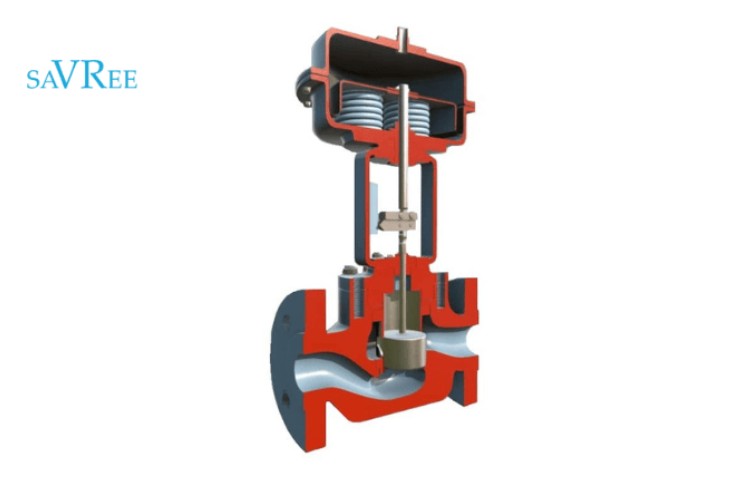
Image Source: saVRee.com

Industrial engineering has always focused on optimization: making systems, processes, and organizations more efficient, effective, reliable, and less costly. Industrial engineers have always had to master not just the foundation of engineering, but also complex tools, digital systems, and problem-solving methods that are needed to keep pace with industry.

Industrial engineering knowledge has traditionally been acquired through formal post-secondary educational institutions, textbooks, and workplace training. That said, there has always been some type of digital/technology-assisted engineering education; however, in today’s world, digital/technology-assisted engineering education has transformed the way engineers learn. With the increasing use of online industrial engineering courses, students and professionals now have access to a flexible and interactive form of training and can learn about areas that focus closely on their industry sector, and assist them in solving complex problems that they may face after their training.

In this post, we will look at the way online training is changing industrial engineering learning, identify advantages over traditional approaches, and ultimately reflect on how online learning programs, such as saVRee, can help the industrial engineering profession move forward.

The Traditional Approach to Industrial Engineering Education

For decades, industrial engineers have been trained primarily through academic programs. These include structured courses in operations research, manufacturing systems, logistics, quality management, and human factors.

Strengths of traditional training include:

  • Accreditation and Structure: University degrees provide formal recognition and a standardized curriculum.
  • Face-to-Face Interaction: Direct access to professors and peer discussions.
  • Hands-On Labs: Opportunities to experiment with physical systems and simulations.

Limitations of traditional training:

  • High Costs: Tuition fees, lab expenses, and textbooks are significant.
  • Limited Flexibility: Students must adhere to fixed schedules and physical locations.
  • Curriculum Gaps: Academic programs often lag industry trends, leaving graduates under prepared for the demands of the workplace.
  • Access Barriers: Not all learners worldwide can afford or access quality industrial engineering programs.

While universities remain vital for foundational learning, they often struggle to keep pace with the rapid pace of industrial transformation.

The Shift Toward Online Industrial Engineering Learning

In the wake of the digital revolution, education has shifted across disciplines (including industrial engineering). Today, online education allows students to learn many of the fundamentals of industrial engineering (systems optimization, process engineering, lean manufacturing, industrial equipment design) without ever visiting a traditional classroom.

Advantages of Online Training for Industrial Engineers

  1. Flexibility and Access

The flexibility of online courses enables learners to study anywhere and anytime. This is especially beneficial for working service sector professionals looking to hone their skills without a career disruption. Additionally, students can pause, replay, revisit, and review complex areas of study at their own pace.

  1. Relevant Industry Content

Online courses are relevant to industry, as opposed to many of the traditional programs that remain unchanged for years, as they complete a full curriculum review. Online training is frequently refreshed with emerging industry practices, tools, and standards to ensure that learners are studying relevant content.

  1. Visual and Interactive Learning

Textbooks and static diagrams rarely capture the complexity of industrial systems. Platforms like saVRee offer students 3D models, animations, and interactive diagrams, allowing them to explore machinery, processes, and systems from a virtual perspective.

  1. Cost-Effective

Online training removes commuting, relocation, and infrastructure costs while delivering high-quality education at a fraction of the cost. It also helps democratize access to industrial engineering education anywhere in the world.

  1. Lifelong Learning and Upskilling

Engineering careers require continuous development. These online courses help with continuous professional development, allowing engineers to improve their learning abilities and adapt to new technologies, like automation, AI-driven optimization, and smart manufacturing.

Traditional vs. Online Training: A Comparison

Traditional Training

  • Delivery Method: In-person tutorials, handbooks, and hands-on work
  • Flexibility: Designed schedules, location-limited
  • Industry Relevance: Curriculum tends to be outdated when skills are transferred
  • Accessibility: Focused on enrolled students in recognized institutions
  • Cost: Increased tuition, building, and material costs
  • Retention: Passive learning by way of lectures

Online Training

  • Delivery Method: Online lessons, 3D models, and interactions, simulations
  • Flexibility: Anytime, anywhere, at own pace
  • Industry Relevance: Regularly Updated to real-world applications
  • Accessibility: Accessible to anyone with an internet connection at any location
  • Cost: Fair pricing, scalable, subscription-based access
  • Retention: Active learning by way of visuals and interactions

Both Training approaches are worthwhile; however, online training offers organizations a much more flexible and scalable option for today’s rapidly changing industry.

How 3D Visuals Enhance Industrial Engineering Education

Industrial engineers face complexities related to systems — assembly lines, supply chains, robotics, quality control devices, etc. They typically have to understand these systems from static images or animations. 

3D visuals support the learning revolutionize by:

  • Dissecting machinery into its constituent parts so they can be analyzed in detail.
  • Simulating processes and providing visuals to show how systems work in a variety of situations.
  • Providing virtual tours of industrial plants, logistics systems, and manufacturing processes.
  • Providing more relevant content by connecting theory to practice so the learner can see how theory (like formulae) is reflected in reality.

saVRee and similar platforms take advantage of these tools to engage learners and help the components make sense.

The Role of saVRee in Industrial Engineering Training

saVRee has emerged as an authority in the provision of online industrial engineering-based training that combines theory with active, visual learning.  

The highlights of saVRee training include:  

  • 3D Models and Animations: In an engaging way, learners can explore industrial equipment and processes. 
  • Wide Course Coverage: From mechanical systems to electrical and industrial processes, saVRee has a significant number of engineering topics covered. 
  • Enterprise Training Solutions: saVRee provides a solution for organizations to engage and enhance the skills of entire departments. 
  • Worldwide Access: Anyone with internet access can learn, regardless of geographical limitations. 

saVRee combines rigorous standards with an innovative delivery method to provide learners with the best possibility of learning the skills they need to be successful in both educational and professional contexts.

Why Online Training Is the Future for Industrial Engineers

The industrial engineering profession is rapidly changing due to digital transformation, smart factories, and sustainability. Online training safeguards engineers against that future by: 

  • Falling in line with technological change, allowing engineers to access updated, on-demand courses. 
  • Supporting hybrid learning, leveraging the best aspects of traditional learning away from online offerings. 
  • Supporting global learners with accessibility to institutions of high quality who may not otherwise have support for this learning. 
  • Encouraging continuous improvement, similar to the ideals of industrial engineering. 

In summary, online training is efficient, optimized, and flexible – and fits the definition of industrial engineering.

Final Thoughts

Industrial engineering is fundamentally concerned with improving systems and processes, and the learning process for industrial engineers is no different. Online training is changing the game through more flexibility, lower cost, and better relevance.

By taking online industrial engineering courses from saVRee, students and professionals alike can experience online education through online content, on-demand material, and industry-relevant information that provides insights and knowledge to deal with real-life challenges.

The future of learning in industrial engineering will not be based on textbooks alone. The future will entail a combination of ‘old school’ learning blended with the potential of ‘new school’ digital technology, and the core will be online training. For professional engineers and/or students wanting to remain relevant, online training is paramount.

Distinguished lecture series showcases industrial engineering

Distinguished lecture series showcases industrial engineering

This month, the College of Computing and Augmented Intelligence, part of the Ira A. Fulton Universities of Engineering at Arizona Condition College, presented the inaugural Douglas C. Montgomery Distinguished Lecture.

Generously supported by Douglas Montgomery, an ASU Regents Professor of industrial engineering, the new lecture series serves as a forum for the trade of latest matters similar to industrial engineering.

To kick off the initially annual party, college, pupils and alumni joined guest lecturer Harriet B. Nembhard, dean of the University of Engineering at the University of Iowa and an ASU alumna.

A effectively-revered member of the industrial engineering neighborhood, Nembhard researches techniques to enhance elaborate devices in producing and health and fitness care. She has held educational management positions at Oregon State University and Penn State, and her get the job done has been recognized by election to the position of fellow of the American Culture for Excellent, Institute of Industrial and Techniques Engineers and American Institute for Professional medical and Biological Engineering.

Nembhard is also planning for her new function as president of Harvey Mudd College or university, commencing July 1, 2023.

“I imagine Dr. Nembhard was an outstanding choice as the inaugural lecturer for this sequence,” Montgomery states. “It’s like we strike a homerun.”

Kyle Squires, the ASU vice provost for engineering, computing and technological know-how and dean of the Fulton Universities, kicked off the function, thanking Montgomery for his vision in building the collection to increase the profile of the industrial engineering program at ASU and noting that it was a great honor to introduce Nembhard.

Lecture attendees brainstorming together

Nembhard inspired attendees to function together to brainstorm serious-world examples of how Excellent 4. could be implemented at Arizona Condition University. Photographer: Erik Wirtanen/ASU

Nembhard’s lecture focused on how increased education and learning institutions can benefit from implementing Good quality 4., a notion that aligns Sector 4. technologies — this kind of as artificial intelligence, cyber-bodily methods and significant data analytics — together with a sturdy ability set and competencies in essential wondering, collaboration and management. The conclusion consequence enhances the good quality of an group and the outcomes it makes.

“Quality 4. is some thing of a substrate for the way that I have approached management in many ways,” she says. “It addresses the worries that tutorial leaders facial area from quality schooling to much more technical difficulties on the managerial facet, and has affected the way that I lead. I imagine it provides a lot for tutorial leaders to contemplate.”

She offered attendees with considered-provoking concepts, giving a simple understanding of Excellent 4. axes and offering illustrations of how they can be utilized to improve bigger instruction processes.

Over and above currently being extremely useful, her talk also offered an possibility for dialogue and imaginative thinking. Members were being challenged to brainstorm solutions for complications such as how Excellent 4. can enhance 6-calendar year graduation charges and how to humanize training at ASU.

Nembhard states she hopes that attendees reflect on Top quality 4. and its potential to impression higher education, noting that her objective for the communicate was to encourage reflection and spark curiosity for how industrial engineering can be used to all areas of lifetime.

“Industrial engineering is about techniques, and better instruction is a method we can function to increase,” she claims. “We, as industrial engineers, have the capacity to impact how speedily improvements and developments can happen in the academy by means of the way that we do strategic contemplating and develop a culture of high quality and collaboration.”

For Nembhard, her background as an ASU alumna designed the lecture expertise even much more fulfilling.

“Dr. Montgomery’s operate was a product for the sort of used exploration in alignment with marketplace that definitely mattered to me early on in my occupation,” Nembhard suggests. “To appear back again to in which, in some feeling, a large amount of the work that I have done in my academic career experienced started out is definitely particular. To be requested to give the inaugural lecture is a great honor.”

Kyle Squires seated talking to two students

Kyle Squires, ASU vice provost for engineering, computing and know-how and dean of the Fulton Educational institutions, participated in the celebration and spoke with college students for the duration of the brainstorming action. Photographer: Erik Wirtanen/ASU

Similarly as satisfying for Nembhard was the chance to recognize her late mother, Helen L. Eastman, also an ASU alumna who researched English for the duration of her time at the university. Nembhard focused the converse to her mother’s memory.

Nembhard suggests she hopes individuals who arrived to her lecture will be inspired to much more deeply comprehend the business of academia and work to progress industrial engineering when envisioning the future of increased education.

Esma Gel, a Fulton Universities associate professor of industrial engineering and longtime friend of Nembhard’s, was also in attendance. The two have been close friends for 25 several years because of their involvement in the industrial engineering local community.

“It’s amazing to be in a position to see Harriet communicate and be identified for her contributions to this area,” she says. “She’s a terrific person, in addition to getting a noteworthy member of the industrial engineering neighborhood. So, it’s amazing to see someone like her be rewarded with these forms of nicely-deserved possibilities.”

In reflecting on the inaugural lecture, Montgomery notes that his goal for the sequence is to raise visibility of the industrial engineering discipline, both at ASU and across the field.

“We have a definitely very good industrial engineering method at ASU, and some genuinely superb faculty with lots of noteworthy achievements,” he claims. “I hope that this lectureship will be an possibility to rejoice that and also showcase it far more broadly to industrial engineering specialists.”

​

Ross Maciejewski, Kyle Squires, Doug Montgomery and Harriet Nembhard

Harriet B. Nembhard (considerably suitable) was honored with an award recognizing her as the 1st highlighted speaker of the Douglas C. Montgomery Distinguished Lecture sequence. From left, she is pictured alongside Professor Ross Maciejewski, director of the Faculty of Computing and Augmented Intelligence, Kyle Squires, Arizona Condition College vice provost for engineering, computing and technology and dean of the Fulton Schools, and Douglas Montgomery, an ASU Regents Professor of industrial engineering. Photographer: Erik Wirtanen/ASU