The Main Types of Anodizing Processes Explained Clearly
1. Introduction to Anodizing Processes
Anodizing is a surface treatment process that plays a critical role in how aluminum products perform, look, and last over time. While many people encounter anodized aluminum every day—through smartphones, architectural panels, automotive parts, or kitchen appliances—few truly understand what anodizing is or why different anodizing processes exist. This lack of clarity often leads to confusion, especially when anodizing is mistaken for simple painting or coating.
At its core, anodizing is an electrochemical process that enhances the natural oxide layer on aluminum. Instead of adding a new material on top of the metal, anodizing transforms the surface itself, making it harder, more corrosion-resistant, and better suited for demanding environments. Because the anodized layer becomes part of the aluminum, it offers durability and longevity that traditional finishes simply cannot match.
Over the years, multiple anodizing processes have been developed to meet different technical, aesthetic, and regulatory requirements. Some methods prioritize precise dimensional control, others focus on decorative finishes with vibrant colors, and some are engineered for extreme wear resistance in industrial or military applications. No single anodizing process is universally best—each exists to solve a specific problem.
Understanding anodizing processes is especially important for manufacturers, engineers, designers, and buyers who need to choose the right finish for a particular application. Selecting the wrong type of anodizing can lead to premature wear, poor appearance, or unnecessary costs. On the other hand, choosing the correct process can significantly improve performance, reduce maintenance, and extend product lifespan.
In this guide, we’ll clearly explain the main types of anodizing processes, how they differ, and when each one should be used. Whether you’re specifying materials for a production run, comparing surface treatments, or simply expanding your knowledge, this introduction sets the foundation for making informed decisions about anodized aluminum.
2. Understanding the Purpose of Anodizing
To truly understand why anodizing is so widely used, it helps to look beyond how it’s done and focus on why it exists in the first place. Aluminum naturally forms a thin oxide layer when exposed to air, which offers some basic protection. However, this natural layer is inconsistent, relatively soft, and easily damaged in demanding environments. Anodizing was developed to intentionally strengthen and control this oxide layer, turning a natural reaction into a reliable, high-performance surface treatment.
One of the primary purposes of anodizing is corrosion resistance. Aluminum is lightweight and versatile, but without proper protection, it can corrode when exposed to moisture, chemicals, or salt-rich environments. Anodizing creates a dense, uniform oxide layer that acts as a barrier against corrosion, significantly extending the lifespan of aluminum components. This is why anodized aluminum is commonly used in outdoor architecture, marine environments, and transportation applications.
Another critical purpose of anodizing is improved surface durability. The anodized layer is much harder than raw aluminum, making it more resistant to scratches, abrasion, and wear. This added hardness is especially valuable for parts that experience friction, repeated handling, or mechanical stress. In industrial and high-performance applications, anodizing can dramatically reduce maintenance needs and prevent premature failure.
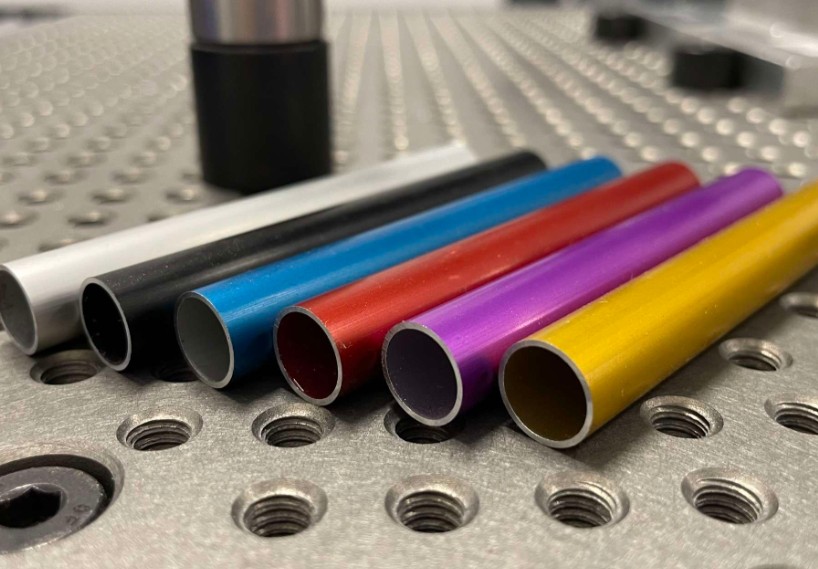
Anodizing also serves an important aesthetic function. The porous structure of the anodized layer allows it to absorb dyes, creating rich, long-lasting colors that won’t peel or fade like paint. Because the color becomes part of the metal surface, anodized finishes maintain their appearance even under UV exposure and harsh conditions. This makes anodizing a popular choice for consumer electronics, architectural accents, and branded products where appearance matters.
Finally, anodizing enhances functional versatility. Depending on the process used, anodized aluminum can be optimized for electrical insulation, thermal stability, adhesive bonding, or dimensional precision. This adaptability is what makes anodizing so valuable across industries ranging from aerospace and automotive to medical devices and consumer goods.
In short, the purpose of anodizing goes far beyond appearance. It is a strategic surface treatment designed to improve performance, protect investment, and tailor aluminum to meet specific functional requirements. Understanding these purposes makes it much easier to appreciate why different anodizing processes exist—and why choosing the right one is so important.
3. Factors That Determine Which Anodizing Process Is Used
Choosing the right anodizing process is not a one-size-fits-all decision. The specific method used depends on a combination of performance requirements, design priorities, and real-world operating conditions. Understanding these factors helps prevent overengineering, unexpected costs, or finishes that fail to perform as expected.
One of the most important factors is the intended application and operating environment. Aluminum parts exposed to harsh conditions—such as salt spray, chemicals, extreme temperatures, or constant friction—require a more robust anodizing process. For example, components used in industrial machinery or military equipment often need hard anodizing for maximum wear resistance, while decorative architectural elements may only require standard sulfuric acid anodizing.
Surface hardness and wear resistance also play a major role. If a part experiences repeated contact, sliding, or abrasion, a thicker and denser oxide layer is necessary. Hard anodizing processes are specifically designed to increase surface hardness, making them ideal for high-stress applications. In contrast, parts with minimal mechanical wear may not need such aggressive treatment.
Another key consideration is dimensional tolerance. Anodizing builds up material on the surface of aluminum, which can slightly alter part dimensions. Precision components—especially in aerospace or medical applications—may require processes that produce thinner, more controlled oxide layers. In these cases, processes like chromic acid anodizing are often preferred because they minimize dimensional change.
Appearance and color requirements are also influential. If visual appeal is important, such as in consumer products or architectural designs, sulfuric acid anodizing is commonly chosen because it readily accepts dyes and offers a wide range of color options. Hard anodizing, while extremely durable, typically results in darker or more muted finishes and is less flexible in terms of color.
Regulatory and environmental standards cannot be overlooked. Certain industries, particularly aerospace and defense, must comply with strict material and environmental regulations. Some anodizing processes are selected specifically because they meet these standards or provide safer alternatives to older, more hazardous methods.
Finally, cost and production volume often influence the decision. Some anodizing processes require specialized equipment, longer processing times, or tighter quality controls, which can increase cost. High-volume production runs may favor more efficient, widely available processes, while specialized applications may justify higher expenses for superior performance.
By evaluating these factors together—environment, durability, precision, appearance, compliance, and cost—manufacturers and designers can select the anodizing process that best aligns with both technical needs and practical constraints.
4. Type I Anodizing: Chromic Acid Anodizing
Type I anodizing, commonly known as chromic acid anodizing, is one of the oldest anodizing processes still in use today. It was originally developed for aerospace applications, where corrosion resistance, reliability, and precise dimensional control are critical. While it is less common than other anodizing methods, it remains an important option for highly specialized applications.
The defining characteristic of chromic acid anodizing is its thin oxide layer. Compared to sulfuric or hard anodizing, the coating produced is much thinner and lighter, which means it has minimal impact on part dimensions. This makes Type I anodizing especially valuable for components with tight tolerances, such as aircraft assemblies, fasteners, and precision-machined parts.
Despite its thinness, chromic acid anodizing offers excellent corrosion resistance. The process creates a uniform, protective oxide layer that shields aluminum from environmental exposure without significantly altering the metal’s mechanical properties. This balance between protection and precision is a key reason why the aerospace industry continues to rely on this method.
Another important advantage of Type I anodizing is its compatibility with bonding and painting. The surface produced allows for strong adhesion of primers, paints, and sealants, making it suitable for parts that require additional surface treatments. This is particularly useful in aerospace structures where anodized aluminum is often bonded or coated after processing.
However, chromic acid anodizing does come with notable limitations. The process provides lower wear resistance compared to other anodizing types, making it unsuitable for components exposed to heavy friction or abrasion. In addition, the use of chromic acid raises environmental and safety concerns, leading to increased regulation and limited availability in some regions.
In terms of appearance, Type I anodizing produces a subtle gray or matte finish and is not typically used for decorative purposes. Color options are extremely limited, and aesthetics are rarely the primary reason for choosing this process.
Overall, Type I anodizing is best suited for applications where corrosion protection, dimensional accuracy, and material integrity are more important than surface hardness or visual appeal. While newer processes have replaced it in many commercial applications, chromic acid anodizing remains a trusted solution in industries where performance and precision cannot be compromised.
5. Type II Anodizing: Sulfuric Acid Anodizing
Type II anodizing, also known as sulfuric acid anodizing, is the most commonly used anodizing process and the one most people are referring to when they talk about anodized aluminum. Its popularity comes from its versatility, balanced performance, and ability to deliver both functional protection and attractive finishes at a reasonable cost.
This process creates a moderately thick oxide layer that significantly improves corrosion resistance while maintaining good control over part dimensions. The thickness can be adjusted based on application needs, making Type II anodizing suitable for a wide range of products, from delicate consumer electronics to large architectural components.
One of the biggest advantages of sulfuric acid anodizing is its excellent ability to accept color. The anodized surface is naturally porous, allowing dyes to penetrate deeply before the pores are sealed. This results in rich, consistent colors that are resistant to fading, peeling, and chipping. Because of this, Type II anodizing is widely used for decorative and branded products where appearance matters as much as performance.
From a functional standpoint, Type II anodizing offers solid wear resistance and long-term durability for everyday use. While it is not as hard as Type III hard anodizing, it provides more than enough protection for most commercial and consumer applications. The sealed oxide layer also improves resistance to moisture, chemicals, and UV exposure, making it suitable for both indoor and outdoor environments.
Type II anodizing is commonly found in consumer electronics, architectural panels, automotive trim, sporting goods, and household products. Its adaptability makes it an industry standard across multiple sectors, especially where cost efficiency and aesthetic flexibility are important.
There are some limitations to consider. Sulfuric acid anodizing may not perform well in extreme wear or high-friction applications, where thicker and harder coatings are required. Additionally, certain aluminum alloys may respond differently to the process, affecting final color or surface uniformity.
Overall, Type II anodizing strikes an ideal balance between performance, appearance, and affordability. For many applications, it is the go-to anodizing process because it delivers reliable protection, attractive finishes, and consistent results without the complexity or cost of more specialized methods.
6. Type III Anodizing: Hard Anodizing (Hardcoat)
Type III anodizing, commonly referred to as hard anodizing or hardcoat anodizing, is designed for applications where maximum durability and wear resistance are essential. This process goes beyond decorative or general-purpose anodizing, producing a surface that can withstand extreme mechanical stress, friction, and harsh operating environments.
What sets hard anodizing apart is the thickness and density of the oxide layer it creates. By using lower temperatures and higher electrical current, the process forms a much thicker coating than Type II anodizing. This dense oxide layer significantly increases surface hardness, often approaching that of industrial ceramics, while remaining integrated with the aluminum substrate.
The primary purpose of Type III anodizing is wear and abrasion resistance. Components treated with hardcoat anodizing are far more resistant to scratching, galling, and surface damage, even under constant use. This makes it ideal for parts that experience repeated movement, contact, or load-bearing stress.
Hard anodizing also provides excellent corrosion resistance, particularly when properly sealed. The thick oxide layer acts as a strong barrier against moisture, chemicals, and aggressive environments. In some applications, it can even reduce the need for additional protective coatings or lubricants.
In terms of appearance, Type III anodizing is more limited than other processes. The thicker coating typically results in dark, natural, or muted finishes, often ranging from gray to deep bronze or black. While color dyes can be used in some cases, achieving bright or consistent colors is more challenging due to the density of the coating. As a result, hard anodizing is chosen for performance rather than aesthetics.
Common applications include industrial machinery components, hydraulic systems, military equipment, firearm parts, aerospace hardware, and high-performance automotive parts. These are environments where failure due to wear is not an option and long-term reliability is critical.
There are trade-offs to consider. Hard anodizing is generally more expensive than Type I or Type II processes due to longer processing times, stricter controls, and higher energy requirements. The added coating thickness can also affect dimensional tolerances, which must be accounted for during design and machining.
Overall, Type III anodizing is the preferred choice when strength, durability, and longevity are the top priorities. For demanding applications that push aluminum to its limits, hardcoat anodizing delivers performance that standard anodizing simply cannot match.
7. Boric-Sulfuric Acid Anodizing
What It Is
This process was developed as an environmentally safer alternative to chromic acid anodizing, especially for aerospace use.
Key Characteristics
- Thin, uniform oxide layer
- Improved environmental compliance
- Good corrosion resistance
- Compatible with aerospace bonding requirements
Common Applications
Primarily used in aerospace manufacturing where regulatory compliance and performance standards are extremely strict.
Pros and Cons
It balances performance and environmental responsibility well, but it’s less common and may not be available through all anodizing providers.
8. Phosphoric Acid Anodizing
What It Is
Phosphoric acid anodizing is a specialized process mainly used to improve adhesive bonding rather than surface durability.
Key Characteristics
- Thin, porous oxide layer
- Optimized for bonding adhesives
- Limited corrosion and wear resistance
Common Applications
This process is often used in aerospace structures where aluminum needs to be bonded rather than painted or mechanically fastened.
Pros and Cons
It excels at adhesive bonding but is not suitable as a standalone protective finish.
9. Choosing the Right Anodizing Process
Selecting the right anodizing method isn’t about choosing the “best” one overall—it’s about choosing the right fit for your application. Ask yourself:
- Will the part experience heavy wear or friction?
- Is appearance or color important?
- Are there strict industry regulations to meet?
- How critical are dimensional tolerances?
Understanding these factors will guide you toward the correct anodizing process and help you avoid costly mistakes.
10. Final Thoughts on Anodizing Process Selection
Selecting the right anodizing process is ultimately about aligning material performance with real-world requirements. While anodizing may appear to be a single treatment at a glance, the reality is that each anodizing method is engineered to solve a specific set of challenges. Understanding these differences allows you to make informed decisions that directly impact durability, functionality, appearance, and long-term value.
No one anodizing process is universally superior. Type I anodizing excels in applications where dimensional accuracy and corrosion resistance are critical. Type II anodizing offers an ideal balance of protection, aesthetics, and cost efficiency for most commercial and consumer products. Type III hard anodizing delivers exceptional wear resistance for demanding industrial and high-stress environments. Each process exists for a reason, and choosing the right one ensures aluminum performs exactly as intended.
It is also important to consider anodizing early in the design phase. Factors such as coating thickness, surface hardness, color requirements, and regulatory compliance should influence material selection and part tolerances from the start. Collaborating with experienced anodizing service providers can help avoid costly revisions and ensure the final product meets both performance and quality expectations.
Ultimately, anodizing is an investment in reliability and longevity. When the correct process is selected, anodized aluminum can outperform untreated metal, reduce maintenance, and extend product life in ways that more superficial finishes cannot. By applying a clear understanding of anodizing processes, you can confidently choose the solution that delivers the best results for your specific application—now and well into the future.